A lot of people treat dental cleanings like the easiest appointment to postpone. If nothing hurts, it feels optional. Life gets busy, the calendar fills up, and six months turns into eighteen before you know it.
I get why that happens. A cleaning can seem simple compared with fillings, crowns, orthodontic treatment, or emergency dental care. But that simplicity is exactly the point. Professional teeth cleaning is one of the few forms of dental care that helps stop problems before they become painful, expensive, or hard to reverse.
Brushing and flossing at home matter a lot. They are the foundation. Still, they do not do the whole job. Plaque builds up in spots you miss. Tartar hardens in places your toothbrush cannot fix. Gums can become inflamed long before you feel obvious pain. A regular cleaning catches all of that early.
For most people, a professional cleaning every six months is a smart baseline. Some need visits more often, especially if they have gum disease, heavy tartar buildup, diabetes, dry mouth, braces, or a history of frequent cavities. Either way, the basic truth is the same: routine cleanings protect your teeth, your gums, your breath, your appearance, and sometimes more than that.
What a professional teeth cleaning actually includes
If you have not had a cleaning in a while, or you are taking a child for the first time, it helps to know what happens.
A standard visit often takes about one to two hours, depending on your dental history and how much buildup is present. The appointment is usually done by a dental hygienist, often as part of a general dentistry visit.
The first step is removing plaque, which is the soft bacterial film that forms on teeth and around the gumline. Even people with good habits tend to miss certain areas, especially behind the back teeth, near the gums, and between crowded teeth.
Then comes scaling. This is the part many people think of when they hear “deep clean,” though that term can mean different things in dentistry. Scaling removes tartar, also called calculus. Tartar is plaque that has hardened over time. Once it hardens, you cannot brush it off at home. No toothpaste, rinse, or internet hack will change that.
After scaling, the teeth are polished with a gritty paste and a rotating tool. This smooths the surfaces and removes leftover residue and surface stains. The polish is not just for looks. A smoother tooth surface gives plaque fewer places to cling.
The hygienist will usually floss between the teeth to clear out any remaining debris or polishing paste. They may also assess your gums, looking for bleeding, swelling, tenderness, or pockets around the teeth that can signal gum disease.
In many offices, fluoride treatment is offered at the end. Fluoride helps strengthen enamel and lowers the risk of decay, which is especially useful for children, teens, and adults who get cavities easily.
That is the basic process. Straightforward, but very effective.
Why home care is not enough on its own
This is the part some people push back on. “I brush twice a day.” “I floss most nights.” “My teeth feel fine.”
That is good. Truly. Daily care makes a big difference. But it does not replace a cleaning.
Plaque begins forming again soon after you brush. If it is not removed thoroughly and often enough, it hardens into tartar. Tartar sticks to the teeth and around the gumline. Once it is there, you need professional tools to remove it safely.
There is also the issue of access. Back molars are awkward. Crowded teeth create traps. Retainers, bridges, implants, and braces make cleaning more complicated. Even careful people miss spots. Most of us do, whether we admit it or not.
Think of home care and professional cleaning as two parts of the same system. Brushing and flossing keep buildup under control day to day. Cleanings remove what slips through and give your mouth a reset.
Cleanings help prevent cavities before they start
Cavities do not appear overnight. Tooth decay usually starts with plaque. Bacteria in plaque feed on sugars and starches from food and produce acids that weaken enamel. Over time, that weak spot turns into a cavity.
Professional cleanings lower that risk because they remove the plaque and tartar that fuel the process. When your teeth are cleaner, harmful bacteria have less time and space to do damage.
This matters for adults and kids alike. Children are still learning good brushing habits. Adults often deal with coffee, stress snacking, dry mouth from medications, and old dental work that creates hard-to-clean edges. The risk is different, but it is still there.
A cleaning also gives the dental team a chance to spot early decay before it turns into a bigger problem. Catching a small cavity is much easier than dealing with a toothache, a cracked tooth, or a root canal later.
They lower your risk of gum disease and tooth loss
If I had to name the benefit people underestimate most, it would be this one.
Plaque and tartar do not just cause cavities. They irritate the gums. At first, that irritation may show up as mild gingivitis. Your gums bleed a little when you floss. They look puffy or feel tender. A lot of people ignore it because it does not seem serious.
But gum inflammation can progress. When it does, the tissues and bone that support your teeth begin to break down. That is periodontal disease, and it is one of the main reasons adults lose teeth.
Regular cleanings interrupt that process. By removing the buildup that triggers inflammation, they help keep gums healthier and reduce the risk of deeper infection. If early signs of gum disease are already present, routine visits make it more likely that the problem is caught before it gets worse.
This has a practical side people care about immediately. Keeping your natural teeth is usually simpler, less invasive, and less expensive than replacing missing ones. Treatments like dental implants can be excellent options when teeth are lost, but preventing tooth loss in the first place is still the better path.
Your breath often improves more than you expect
Bad breath is awkward because people worry it says something about hygiene, diet, or health. Sometimes it does. Sometimes it is simply bacteria collecting in places a toothbrush does not reach well.
Plaque, tartar, trapped food, and gum inflammation all contribute to halitosis. A professional cleaning removes much of that buildup, especially around the gumline and between teeth where odor-causing bacteria like to stay.
If your breath improves right after a cleaning, that is not your imagination. The appointment removes a real source of the smell.
Of course, long-term fresh breath still depends on daily habits. Brushing, flossing, cleaning your tongue, drinking water, and managing dry mouth all matter. But when bad breath lingers despite good home care, it often makes sense to look at what is happening beneath the gumline.
Cleanings make teeth look better, even if you are not chasing a “perfect smile”
There is a cosmetic side to cleanings, and it is okay to care about that.
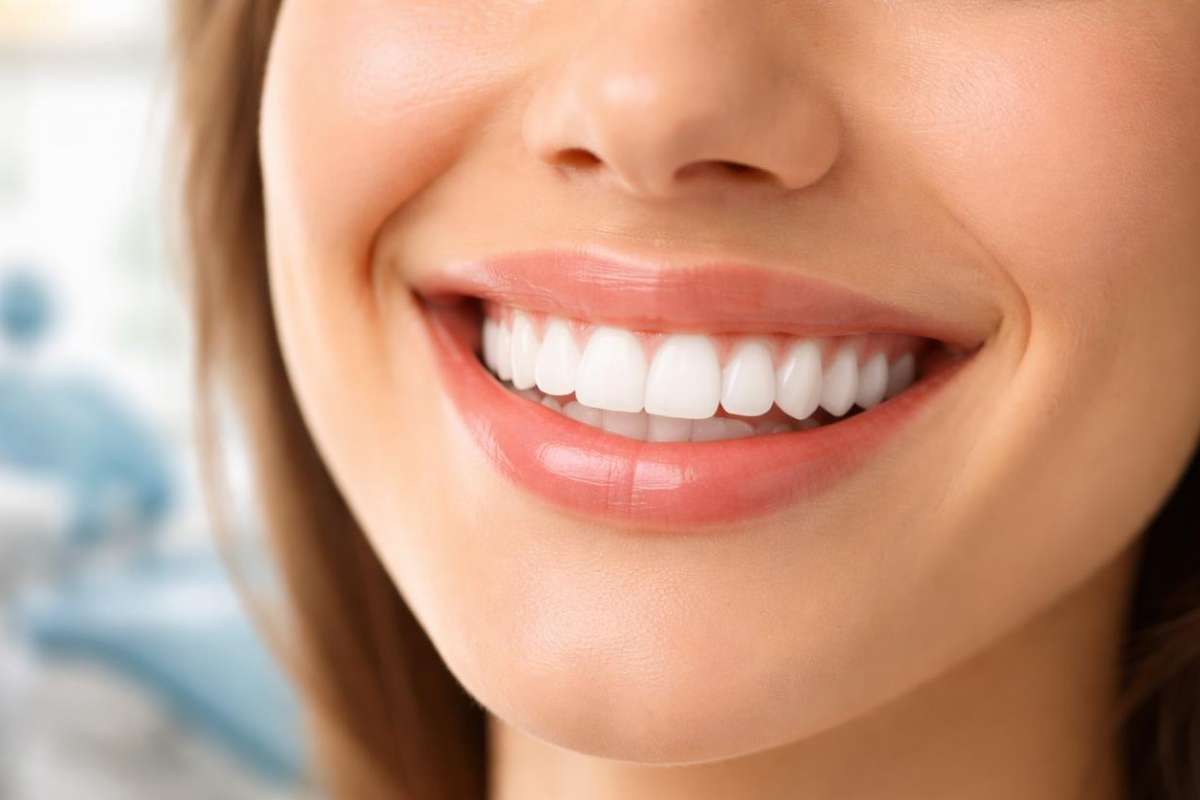
Coffee, tea, red wine, berries, curry, and tobacco can all leave surface stains. Polishing does not change the natural color of your teeth the way whitening treatments can, but it often removes the dull film and discoloration that make teeth look darker than they really are.
That is why many people leave a cleaning and think, “My teeth look brighter.” They often do.
This is one reason routine cleanings fit naturally alongside cosmetic dentistry. If someone is considering whitening, veneers, or other appearance-focused treatment, healthy gums and clean tooth surfaces matter first. Cosmetic work looks better and lasts better in a healthy mouth.
There is an overall health angle, and it is worth taking seriously
Dentists are not primary care doctors, and a cleaning is not a full medical exam. Still, oral health and overall health are connected in ways people used to dismiss too quickly.
Gum disease has been linked with higher risk factors for conditions such as heart disease and diabetes. The relationship is complex, and it is not as simple as saying a cleaning prevents those conditions on its own. But chronic inflammation in the mouth is not something to shrug off.
For people with diabetes, gum health can be harder to manage, and gum disease can make blood sugar control more difficult. Pregnancy, certain medications, autoimmune conditions, smoking, and dry mouth can all change oral health risk too.
Regular dental visits also create opportunities to notice things early. During a cleaning appointment, the mouth is examined for sores, unusual patches, swelling, and other changes that may need follow-up. That includes screening for oral lesions that could signal oral cancer.
This quiet screening aspect is easy to forget because it happens as part of a routine visit. But early detection matters. A lot.
How often should you get your teeth cleaned?
The every-six-months guideline is common for a reason. It works well for many people and keeps problems from drifting too far before someone notices them.
Still, six months is not a law of nature.
Some people need cleanings every three or four months. That may include patients with a history of periodontal disease, frequent tartar buildup, braces, dental implants, smoking-related risk, or certain medical conditions. Others with excellent gum health and low decay risk may be told their schedule can be adjusted.
Children also benefit from routine visits, especially as teeth erupt, oral habits develop, and diets start to include more cavity-friendly snacks than most parents would like to admit.
If you are unsure what interval makes sense for you, ask. A personalized schedule is better than guessing.
If dental anxiety keeps you away, say that out loud
This matters more than people think. Skipping cleanings is not always about cost or time. Sometimes it is fear, embarrassment, a sensitive gag reflex, or memories from a rough appointment years ago.
Dental anxiety is common. So are sensitive teeth and sore gums. A good cleaning visit should account for that. Many people do better when they tell the hygienist what they are worried about before the appointment starts.
That might mean using breaks, numbing gel, a gentler pace, or discussing sedation dentistry in cases where anxiety is severe. The goal is still preventive care, but prevention only works if people can get through the visit.
And if your gums bleed a lot or you have not been in for years, try not to let embarrassment delay you more. Dental teams have seen everything. Really. They would usually rather help early than deal with the results of avoidance later.
Cleanings are part of the bigger picture of dental care
Professional cleanings sit at the center of routine oral health, but they also connect to other areas of care.
A regular cleaning can uncover issues that later lead to fillings, gum treatment, orthodontic treatment, or oral surgery. It can also help monitor the health of crowns, bridges, implants, and wisdom teeth. If something urgent is found, you may be directed toward emergency dental care before pain gets worse.
That is why cleanings are not separate from the rest of dentistry. They are often where bigger decisions begin.
For families visiting a Vancouver dental clinic, this is especially useful. One routine appointment can reveal whether a child needs sealants, whether a teen’s brushing around braces needs work, whether an adult is grinding teeth, or whether an older family member is struggling with gum recession around existing dental work.
What to do between cleanings
A professional cleaning is a reset button, not a free pass for the next six months.
The basics still matter:
Brush twice a day with fluoride toothpaste. Floss once a day, even if you are imperfect about it. Clean along the gumline, not just the visible parts of the teeth. Drink water often. Cut down on constant snacking and sugary drinks. If you smoke or vape, know that your gums will usually tell the story before you want them to.
If you have braces, permanent retainers, implants, bridges, or limited hand dexterity, ask for specific tools or techniques. Interdental brushes, floss threaders, water flossers, and electric toothbrushes can help a lot when used well.
Also, do not wait for your next cleaning if something feels off. Bleeding gums, persistent bad breath, tooth sensitivity, swelling, pain, or a loose tooth deserve attention sooner.
The simple takeaway
Professional teeth cleaning is necessary because daily brushing and flossing, while important, cannot fully remove hardened tartar or reach every trouble spot. A cleaning helps prevent cavities, lowers the risk of gum disease and tooth loss, improves breath, brightens the appearance of your teeth, and gives your dental team a chance to catch problems early.
That is a pretty strong return for an appointment many people still think of as optional.
If it has been more than six months, do not overthink it. Just book the visit. Your future self, the one who would rather avoid fillings, gum treatment, or replacing missing teeth, will probably be relieved you did.