

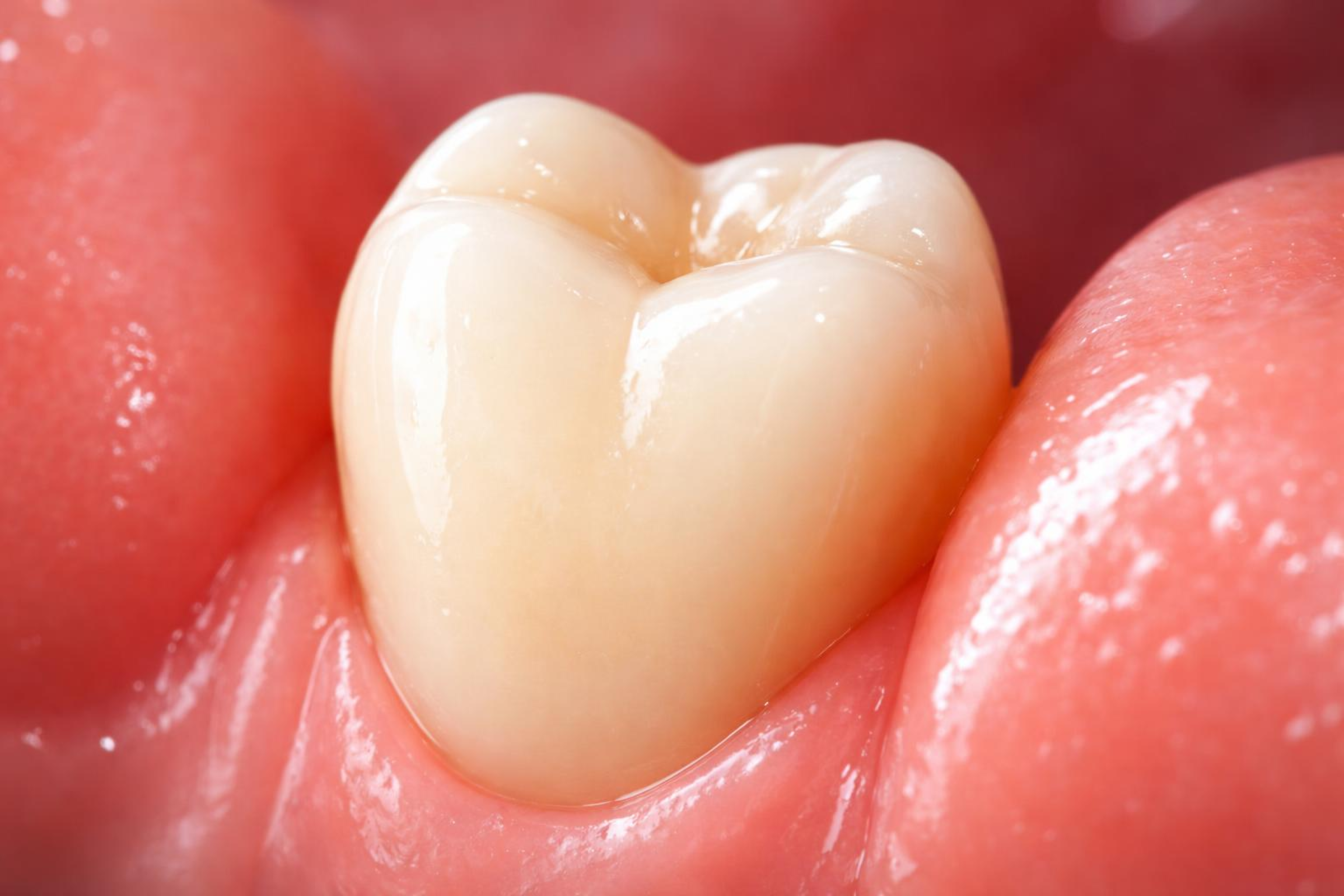
When people think about keeping their teeth, they usually think about cavities. Fair enough. Cavities are visible, familiar, and easy to imagine. Gum disease is different. It often starts quietly, with a little bleeding when you brush, maybe some tenderness, maybe breath that never feels fully fresh. It does not always hurt at first, which is part of the problem.
But if the goal is to keep your natural teeth for life, gum health deserves a lot more attention than it gets.
Your gums do more than frame your smile. They help protect the deeper structures that hold each tooth in place. When gums are healthy, they form a snug barrier around the teeth and help block bacteria from moving deeper into the tissues, the periodontal ligament, and the jawbone. When gums are inflamed or infected, that protection weakens. Over time, the damage can reach the very foundation of the teeth.
That is why healthy gums matter so much. Tooth loss is often not about the tooth alone. It is about the support system around it.
Why gums matter more than people think
A tooth is not just a hard white object sitting in the mouth. It is anchored into bone by a network of supporting tissues. The gums are part of that support system, and they matter more than many people realize.
Healthy gums fit around the teeth like a seal. That seal helps keep out harmful bacteria and reduces irritation around the roots. Beneath the gumline, the periodontal ligament helps connect the tooth to the surrounding bone. The alveolar bone, which is the part of the jawbone that surrounds the roots, gives the tooth its stability.
If all of that sounds a little technical, the plain-language version is simple: teeth need a healthy home. Gums are part of that home.
This is one reason routine care in general dentistry spends so much time on the gumline. A dentist or hygienist is not obsessing over small details for no reason. That area is where plaque loves to sit, and where early damage often begins.
People also tend to focus on appearance first. They notice stained teeth, crooked teeth, or chips before they notice gum inflammation. I get it. Cosmetic changes are easier to see. Still, even the best cosmetic dentistry depends on healthy gums underneath. A beautiful crown, veneer, or whitening result will not fix tissue that is breaking down around the teeth.
How gum disease turns into tooth loss
Most gum disease starts with plaque, a sticky film of bacteria that builds up on teeth every day. If plaque is not removed well, especially along the gumline, it irritates the gums and triggers inflammation. That early stage is called gingivitis.
Gingivitis is common, and the good news is that it is usually reversible. The gums may look red or puffy. They may bleed when you brush or floss. A lot of people shrug that off. They should not. Bleeding gums are not “just one of those things.” Healthy gums do not usually bleed from gentle brushing or flossing.
If plaque stays in place long enough, it can harden into tartar, also called calculus. Once tartar forms, regular brushing cannot remove it. It sticks to the teeth and creates an even better surface for more bacteria to collect. At that point, home care alone is not enough.
Untreated gingivitis can progress to periodontitis. This is where things get more serious. The infection and inflammation start affecting the deeper structures that support the teeth. The gum tissue can pull away from the teeth, creating pockets where bacteria can hide. The periodontal ligament can become damaged. The surrounding bone can begin to break down.
And here is the hard truth: bone loss around teeth is a big deal. When enough supporting bone is lost, teeth can loosen, shift, and eventually fall out or need to be removed.
This process is often slow. That can make it easier to ignore, but it does not make it harmless. In some cases, people do not realize how advanced the disease is until they notice mobility, recession, or changes in the way their bite fits together.
Signs your gums may need attention
Some warning signs are easy to miss because they do not always feel urgent. Watch for these:
-
Red, swollen, or tender gums
-
Bleeding during brushing or flossing
-
Persistent bad breath or a bad taste in the mouth
-
Receding gums or teeth that look longer than before
-
Loose teeth or teeth that seem to shift
-
Pain when chewing, or new spaces between teeth
One symptom deserves special mention: bleeding. Many people have been told, directly or indirectly, that bleeding while flossing means they should stop flossing. Usually the opposite is true. Bleeding often means the tissue is inflamed because plaque has been sitting there. Gentle, consistent cleaning matters, though it is smart to have the cause checked if the bleeding keeps happening.
Sudden swelling, pus, or significant pain can signal an active infection. That should not wait. In some cases, gum infections require prompt treatment, and what starts as a “gum problem” can turn into a reason to seek emergency dental care.
What you can do at home to protect your gums
The boring stuff works. That is probably my strongest opinion on oral health.
You do not need a complicated routine to protect your gums, but you do need a consistent one. The goal is to remove plaque before it irritates the tissue and before it hardens into tartar.
Brush twice a day with a soft-bristled toothbrush and fluoride toothpaste. Angle the bristles toward the gumline and use small, gentle motions. Scrubbing hard does not make your mouth cleaner. It can actually irritate the gums and wear down tooth surfaces over time.
Clean between your teeth once a day. Floss is the usual tool, but floss picks, interdental brushes, or water flossers can help depending on the shape of your teeth and the spacing between them. The best method is the one you can use properly and regularly. Plaque between teeth and along the gumline is exactly where gum inflammation likes to start.
An antimicrobial mouthwash may help some people, especially if a dentist recommends it for gum inflammation or high plaque levels. It is not a substitute for brushing and flossing, but it can be a useful extra step in the right situation.
Tobacco is a major risk factor for gum disease. Smoking and other tobacco use reduce blood flow to the gums, affect healing, and increase the risk of more severe periodontal problems. Quitting helps your whole body, but it gives your gums a real advantage too.
If you have braces or aligners, pay even closer attention to the gumline. Orthodontic treatment can make it harder to clean thoroughly, and plaque can build up quickly around brackets, wires, or attachments. Straightening teeth can improve long-term cleaning in some cases, but the process itself requires extra care.
Why professional care still matters, even if you brush well
Good home care is powerful, but it has limits.
Once tartar forms, you cannot brush it off. Once gum pockets deepen, you cannot see or fully clean those areas yourself. That is where regular dental visits matter. Professional cleanings remove tartar, and exams can catch early changes before they become harder to treat.
This is one of the quiet strengths of routine dental care. It is preventive. It can feel uneventful, which is actually the point.
If gum disease is already present, a standard cleaning may not be enough. Some people need scaling and root planing, which is a deeper cleaning that removes plaque and tartar from below the gumline and smooths the root surfaces to help the gums heal. Others need ongoing periodontal maintenance visits at intervals shorter than the usual six months.
There is no single schedule that fits everyone. A person with a history of gum disease may need a more individualized maintenance plan than someone with consistently healthy gums. That is normal, not a sign of failure.
For patients who feel intense anxiety about treatment, sedation dentistry can make needed periodontal care more manageable. That matters more than some people admit. Fear is a real reason people delay treatment, and delayed treatment is one reason small gum problems become bigger ones.
Gum health is tied to the rest of your health
The mouth is not separate from the body, even if we sometimes act like it is.
There is a well-established relationship between gum health and conditions like diabetes. High blood sugar can make gum disease more likely and harder to control. At the same time, untreated gum inflammation can make blood sugar management more difficult. It goes both ways.
There is also an association between periodontal disease and cardiovascular disease. That does not mean gum disease directly causes every heart problem, and it is worth being careful with sweeping claims. Still, chronic inflammation is not something the body ignores. Paying attention to gum health is part of taking overall health seriously.
For families, this connection matters because oral habits often develop early and then stick. Teaching children and teens to care for the gumline is not just about avoiding lectures at the dentist. It is about building routines that protect their teeth for decades.
Preventing tooth loss is usually easier than replacing a tooth
Modern dentistry can replace missing teeth, and that is a good thing. Dental implants, bridges, and dentures help many people chew, speak, and smile more comfortably after tooth loss. But prevention is still easier, less invasive, and usually less expensive than replacement.
Once severe gum disease has damaged the bone around a tooth, treatment gets more complicated. A patient may need deep cleaning, periodontal maintenance, possible extraction, and then later conversations about restoration. In advanced cases, tooth removal can involve oral surgery. None of that is trivial, even when it goes smoothly.
Dental implants are a strong option for many people after tooth loss, but healthy gums and enough supporting bone are still part of the equation. In other words, gum health continues to matter even after a tooth is gone. The same tissues that helped support your natural tooth still affect what replacement options will work best.
I think this point gets missed a lot. People hear about tooth replacement and assume it fully resets the situation. It does not. Restorative dentistry is helpful, but keeping your own teeth is still the simpler path when possible.
If you are already dealing with recession, mobility, or gum discomfort, getting checked sooner rather than later can make a huge difference. Whether you visit a Vancouver dental clinic or one anywhere else, the timing matters. Earlier treatment tends to mean more options and less damage.
A simple plan for keeping your gums healthy
If you want the practical version, here it is:
-
Brush twice a day, paying attention to the gumline.
-
Clean between your teeth every day.
-
Do not ignore bleeding, swelling, bad breath, or gum recession.
-
Keep regular dental exams and cleanings.
-
Stop smoking or using tobacco if you can.
-
Manage health conditions, especially diabetes, with the same seriousness you give your teeth.
That list is not flashy, but it works.
The bottom line
Healthy gums are one of the main reasons teeth stay where they belong.
They protect the roots, support the surrounding tissues, and help block bacteria from getting deeper into the structures that hold teeth in place. When gum disease develops and goes untreated, it can damage the ligament and bone that anchor the teeth. That is how bleeding gums can turn, slowly and quietly, into loose teeth and tooth loss.
The upside is that gum disease often gives you chances to step in early. Redness, bleeding, tenderness, recession, bad breath, changes in the way teeth fit together, these are not details to brush off. They are signals.
A steady home routine, regular professional care, and attention to overall health can do a lot to protect your gums. And protecting your gums is one of the smartest ways to protect your teeth.