

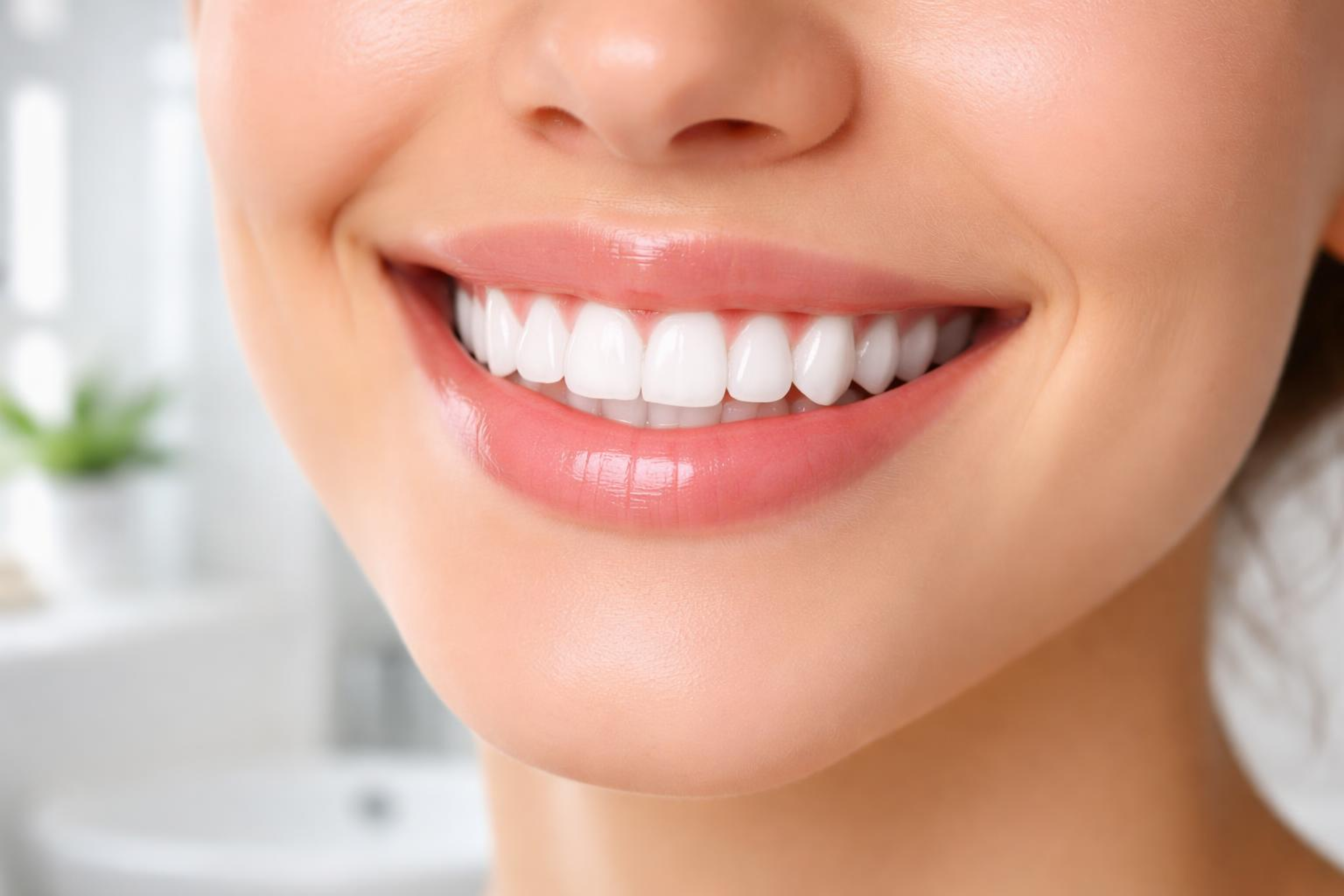
A professional whitening treatment can make a real difference fast. Teeth look cleaner, brighter, and a little more polished without changing anything else about your face. The catch is that whitening is not a one-and-done fix. What you do afterward matters more than most people expect.
This is the part people tend to underestimate. They get the brighter smile, feel great about it, then slide back into the same habits that caused staining in the first place. Coffee on the way to work. A glass of red wine at dinner. Whitening toothpaste twice a day because it sounds helpful. A week later, sensitivity kicks in or the brightness starts to dull.
The good news is that post-whitening care is not complicated. A few steady habits can help your results last longer, lower the odds of sensitivity, and slow down new stains.
Why aftercare matters so much
After whitening, teeth are more likely to pick up color from food and drinks, especially in the first couple of days. That window matters. If you protect your teeth then, you give the treatment a better chance to hold up well.
Good aftercare helps in three ways. It keeps your smile brighter for longer. It reduces the discomfort that can happen after whitening. And it cuts down on the fresh surface stains that slowly creep back.
I think this is where people get frustrated. Whitening itself feels quick. Maintenance feels less exciting. But maintenance is what makes the quick result feel worth the money and effort.
The first 48 hours: be picky about what touches your teeth
If you remember one thing, make it this: the first 48 hours after whitening are the most important.
Dark foods and drinks can stain freshly whitened teeth more easily, so this is the time to keep things simple. A decent rule is to choose foods that would not stain a white shirt.
For those first two days, try to avoid:
- Coffee
- Tea
- Red wine
- Cola and dark sodas
- Soy sauce
- Tomato sauce
- Curry
- Dark berries and deeply pigmented juices
That does not mean you need to live on plain toast. There are still plenty of safer choices. Light-colored foods are usually easier on newly whitened teeth. Think yogurt, milk, cheese, rice, chicken, turkey, eggs, bananas, oatmeal, pasta with a light sauce, potatoes, and cauliflower.
Dairy gets mentioned a lot for a reason. It is generally gentle, not heavily pigmented, and easy to work into meals when your teeth feel a little sensitive. Cold ice cream sounds tempting, but if your teeth are reacting to temperature, softer room-temperature or mildly cool foods may feel better.
Water helps more than people think. Drink it often. It rinses away pigments and sugar, and it is one of the simplest ways to protect your results. If you do have a staining drink after the first 48 hours, using a straw can reduce contact with the front surfaces of your teeth. It is not perfect, but it helps.
Be careful with brushing, but do not get lazy about it
After whitening, some people brush harder because they want to “protect” the new brightness. That usually backfires. Teeth and gums can be a bit tender, and aggressive brushing will not make them whiter. It just adds irritation.
Use a soft-bristled toothbrush and a gentle hand. Brush at least twice a day, and take your time. A rushed scrub is less helpful than two slow minutes with light pressure. Small circles along the gumline work better than sawing back and forth.
Floss once a day too. Whitening changes tooth color, but plaque between teeth can still make a smile look dull. Flossing removes the buildup your toothbrush misses and helps the whole smile look cleaner, not just whiter.
If your teeth feel sensitive, skip whitening toothpaste for a few days. Those formulas can be too harsh right after treatment. A fluoride toothpaste is usually a better choice for that stretch because it helps strengthen enamel and supports daily cleaning without piling on extra irritation. An alcohol-free whitening mouthwash can also fit into your routine if your mouth tolerates it well, but mild products tend to be the safer bet right after treatment.
Sensitivity is common, but there are ways to calm it down
A little sensitivity after whitening is normal. You might notice a zing when you drink cold water or eat something hot. That can be annoying, but it often settles within a few days.
What helps most is keeping things boring for a short while. Use toothpaste made for sensitive teeth. Drink lukewarm water instead of very cold water. Skip steaming coffee, iced drinks, and sharp temperature changes. Hold off on acidic foods for a bit too. Citrus, soda, sports drinks, and energy drinks can make already-sensitive teeth feel worse.
This part is worth saying clearly: sensitivity does not mean you need to stop cleaning your teeth. It means you need to clean them gently and choose products that support recovery.
If you are deciding between a minty, intense whitening paste and a plain sensitive-teeth formula, go with the plain one for now. Your teeth do not need drama.
The habits that fade whitening results fastest
Most whitening results do not disappear overnight. They fade through repetition. One coffee will not undo a treatment. Four coffees a day for months, without much rinsing or cleanup, will make a difference.
The biggest culprits are predictable:
Coffee and tea
These are the classics because people drink them often, not just because they are dark. Repeated exposure matters. If giving them up completely sounds miserable, that is fair. A more realistic move is to cut back, drink them in a shorter sitting instead of sipping for hours, and rinse with water afterward.
Red wine and dark sauces
These stain quickly and cling well. Tomato sauce, soy sauce, and curry are common troublemakers. You do not need to ban them forever, but it helps to treat them like occasional foods instead of daily defaults.
Smoking and vaping
Smoking is rough on whitening results. So is vaping, especially when it becomes frequent. Nicotine and residue contribute to staining, and dry mouth from vaping can make oral health worse overall. If you have invested in whitening, tobacco and nicotine habits make that investment fade faster.
Acidic drinks
Soda, energy drinks, and even some fruit drinks do two things at once: they can stain, and they can wear down enamel over time. That combination is not great for a bright smile. Water is still the best swap. It is not glamorous, but it works.
A few small changes go a long way
This is where post-whitening care becomes manageable. You do not need a perfect routine. You need repeatable habits.
Drink water throughout the day, especially after meals and after coffee or tea. Choose lighter snacks when you can. Cheese, plain yogurt, applesauce, crackers, bananas, and peeled apples are usually easier on teeth than sticky, dark, or sugary foods. Try not to graze constantly on snacks and sweet drinks, since frequent exposure gives stains and plaque more chances to build up.
If you know you are someone who reaches for soda or iced coffee every afternoon, make one swap first instead of trying to overhaul everything at once. Small changes hold better than dramatic ones.
Be smart with at-home whitening products
This is the part where people often get impatient. Their teeth look great after professional whitening, then a month later they start wondering if they should use a strip “just to keep things up.” Sometimes that is fine. Sometimes it is too much.
At-home whitening products can help maintain results, but only when you use them as directed. More is not better. Overusing strips, gels, or whitening trays can irritate gums, increase sensitivity, and leave teeth feeling rough or sore. If you have ever thought, “Maybe I’ll just do one more round,” that is usually the moment to pause.
It is smartest to ask your dentist before adding anything. That matters even more if you already have sensitive teeth, gum recession, fillings on front teeth, veneers, crowns, or dental implants. Whitening products only work on natural tooth enamel. They do not whiten crowns, fillings, or dental implants, so using stronger products does not solve a shade mismatch. It can just make the natural teeth lighter while everything else stays the same.
That is one reason people who have had cosmetic dentistry should be a little more cautious with at-home products. Matching shades is not always straightforward.
How often do you actually need a touch-up?
Whitening is not permanent. That part is easy to forget when the result is fresh.
For many people, touch-ups every 6 to 12 months are enough. But that range is only a starting point. Someone who drinks coffee every day, enjoys red wine, or smokes will usually need maintenance sooner than someone who mostly drinks water and keeps staining foods to a minimum.
This is where personalized advice matters more than generic timelines. Your dentist can look at your enamel, your sensitivity level, your existing dental work, and your habits, then recommend a touch-up schedule that makes sense for you.
I like this approach better than chasing a calendar reminder. Teeth do not all stain at the same speed, and they definitely do not all tolerate whitening the same way.
Regular dental care keeps whitening results looking better
It is tempting to think whitening is mostly a cosmetic issue, but long-term results depend on routine oral care too.
Professional cleanings remove the surface buildup that can make teeth look darker than they really are. Regular exams also help catch small problems early, before they affect appearance or comfort. Cavities, worn enamel, gum recession, and cracked fillings can change how a smile looks, even if whitening itself was successful.
Whether your appointments fall more under general dentistry or cosmetic dentistry, follow-up care matters. If you are in orthodontic treatment, ask how retainers, aligners, or attachments may affect your maintenance plan. If you have restorations or implants, ask what shade changes to expect and what will stay the same. These are normal questions, and any good Vancouver dental clinic should be used to talking through them in practical terms.
Routine care also gives you a place to bring up concerns before they get worse. Sometimes what looks like “my whitening faded too fast” is actually plaque buildup, dehydration, a cavity, or staining around an old restoration.
When to call your dentist instead of waiting it out
Mild sensitivity for a few days is common. Ongoing or unusual symptoms are different.
Contact your dentist if you notice:
- Sensitivity that lasts more than a few days or gets worse instead of better
- New discoloration that shows up quickly despite good care
- A chipped tooth, rough edge, or visible damage after whitening
- Gum irritation that does not settle down
- One tooth that looks much darker than the others
That last one is easy to dismiss, but it is worth checking. Sudden color change in a single tooth is not the same as ordinary surface staining.
And if pain becomes sharp or persistent, do not shrug it off as “just part of whitening.” If something feels off, get it looked at. In some cases, what seems cosmetic can turn into a reason for emergency dental care.
The best maintenance plan is the one you can actually keep
A bright smile usually lasts longer when the routine around it is simple. Drink more water. Be selective for the first 48 hours. Use a soft toothbrush. Floss daily. Go easy on whitening products. Pay attention to sensitivity. See your dentist regularly.
None of that is flashy. That is probably why it works.
If you want the shortest version, here it is: whitening gives you the reset, but your daily habits decide how long that reset lasts. A few thoughtful choices each day can keep teeth looking brighter without making your mouth miserable in the process.
And when the brightness starts to fade, that does not mean the treatment failed. It usually means it is time for a check-in, a cleaning, or a touch-up plan that fits your real life. That is how whitening holds up best, not through perfection, but through steady maintenance and good professional guidance.