

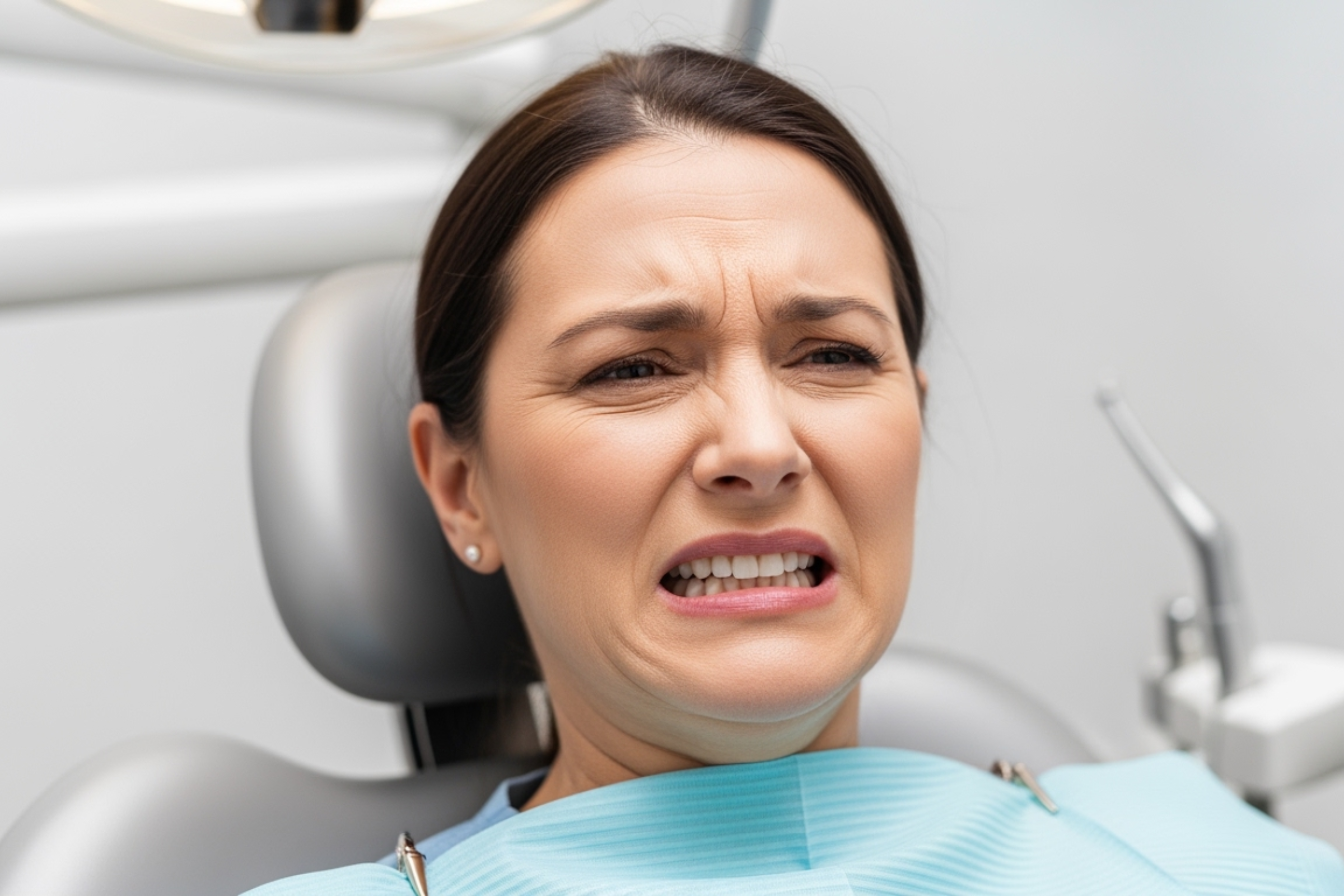
Dental pain has a way of taking over everything. You stop chewing on one side. You cancel plans. You start hoping the ache will magically disappear overnight.
Sometimes it does settle down for a bit. That’s the tricky part. A quieter tooth isn’t always a healthier tooth.
The short answer is yes, same-day dental care is possible in Vancouver, and for many urgent problems, it’s the right move. A lot of issues that feel sudden, like severe tooth pain, swelling, a broken tooth, or an infection, can often be evaluated and treated the same day. In some cases, that quick visit is what stops a manageable problem from turning into oral surgery, a lost tooth, or a trip to the hospital.
This isn’t about panic. It’s about timing. When you know what counts as urgent and what kind of treatment may happen right away, it becomes much easier to act instead of waiting and hoping.
What “same-day dental care” usually means
People sometimes hear “same-day care” and imagine a full, final treatment completed in one visit no matter what. Sometimes that happens. Sometimes it doesn’t.
More often, same-day care means this: you’re seen promptly, the dentist identifies the cause of the problem, relieves pain or stabilizes the tooth, and starts the right treatment plan without unnecessary delay.
That might mean a filling on the same day. It might mean a temporary restoration to protect a cracked tooth until a final crown is ready. It could mean root canal therapy if the tooth can be saved, or an extraction if it can’t. If there’s an infection, the priority may be draining it, reducing pain, and deciding whether antibiotics are actually needed.
In other words, same-day care is about momentum. You get answers fast, and you don’t spend another week guessing.
Which dental problems need same-day attention
Not every dental issue is an emergency, but some absolutely should not wait for your next routine cleaning. In a busy city, it’s easy to tell yourself you’ll “keep an eye on it.” Teeth rarely reward that strategy.
You should try to get same-day evaluation if you have:
-
severe or throbbing tooth pain
-
swelling in the face, gums, or jaw
-
a broken, cracked, or chipped tooth that hurts or feels sharp
-
a knocked-out adult tooth
-
signs of infection, including pus, a bad taste in the mouth, swelling, or fever
-
bleeding that doesn’t stop after dental trauma
-
pain when biting that appeared suddenly after damage
A few of these deserve extra attention.
Severe tooth pain
Tooth pain doesn’t always mean you need a root canal, but it often means something is actively wrong. Deep decay, a cracked tooth, gum infection, a damaged filling, or inflammation inside the tooth can all cause intense pain. If the pain wakes you up, keeps returning, or gets worse with heat, cold, or chewing, it’s worth getting checked quickly.
A small cavity can sometimes be managed with a simple filling. Leave it long enough, and bacteria can reach the nerve. That’s when treatment gets more involved, more expensive, and frankly, more miserable.
Swelling in the face or jaw
This one matters. Swelling can signal infection, and dental infections do not always stay put. If swelling spreads, affects swallowing, or makes it hard to breathe, don’t wait for a regular dental visit. That needs urgent medical attention right away.
Even milder swelling should be assessed the same day. The earlier an infection is treated, the easier it usually is to control.
Broken or cracked teeth
Some cracks are tiny and mainly cosmetic. Others run deeper than they look. That’s why broken teeth are easy to underestimate.
A cracked tooth may not bleed much. It may not even look dramatic in the mirror. But if chewing hurts or the tooth feels sensitive, the crack may be exposing deeper layers of the tooth or moving under pressure. Quick treatment can protect the tooth before bacteria get inside or the damage gets worse.
Knocked-out teeth
A knocked-out adult tooth is one of the clearest dental emergencies. Time matters a lot here.
If this happens, hold the tooth by the crown, not the root. If it’s dirty, rinse it gently with water for a few seconds. If possible, place it back in the socket and bite gently on gauze or a clean cloth. If that’s not possible, keep it in milk or saline and get to a dentist immediately.
One important exception: do not try to reinsert a baby tooth.
Infections and abscesses
An abscess can cause swelling, pain, pressure, a foul taste, gum tenderness, and sometimes fever. Some people expect infection to mean obvious, dramatic pain, but that’s not always true. A chronic dental infection can simmer in the background and suddenly flare up.
This is where emergency dental care overlaps with broader health. Oral infections can spread. They should never be treated like a minor inconvenience.
What can often be treated on the same day
A lot of people delay calling because they assume the dentist will “just look at it” and tell them to come back later. That does happen sometimes, especially if a case needs a custom lab-made restoration or specialist planning. But many urgent treatments can begin right away.
Fillings for cavities or damaged tooth structure
If pain is caused by decay or a lost filling and the tooth is still structurally sound, a same-day filling may solve the problem. This is one of the better-case scenarios in general dentistry: the issue is caught early, treated promptly, and the tooth stays intact.
Temporary or protective restorations
For cracked or broken teeth, the first goal is often protection. A temporary restoration can cover exposed areas, reduce sensitivity, and help prevent further fracture. It buys time, but it’s not meaningless. That temporary step can be what saves the tooth.
Root canal therapy
When the pulp inside the tooth becomes inflamed or infected, root canal therapy may be the best way to relieve pain and keep the tooth. Not every painful tooth needs a root canal, but when it does, getting started the same day can make a huge difference.
People tend to dread root canals. Honestly, the untreated infection is usually worse than the procedure.
Tooth extractions
Sometimes a tooth is too damaged or infected to save. In that case, same-day extraction may be the safest and most practical option. This can fall under oral surgery, even when it’s a common procedure. If anxiety is part of the picture, some patients also ask about sedation dentistry to make treatment more manageable.
Initial infection management
If you have an abscess or spreading infection, treatment may include drainage, cleaning the area, pain control, and a clear plan for follow-up care. Antibiotics can help in certain cases, but they are not a substitute for treating the source of the infection. That’s a point worth stressing because it gets misunderstood all the time.
Why delaying dental care often makes the problem bigger
There’s a pattern dentists see every day: a small issue gets ignored because life is busy, the symptoms fade for a while, then the patient comes in later with more pain, more damage, and fewer simple options.
Here’s how that can unfold.
A cavity starts in the outer enamel. At that point, treatment may be straightforward. If decay continues, it reaches deeper dentin and then the pulp. Once the nerve is involved, the tooth may need root canal therapy. If the infection becomes severe or the tooth breaks down too much, extraction may be the only option.
The same is true for cracks. A small fracture caught early may be protected. A crack left alone may deepen until the tooth splits.
And infections? They rarely fix themselves. Symptoms may ease briefly if pressure drains or inflammation shifts, but the underlying problem remains. That false calm tricks people.
This is one reason emergency dental care matters even when the pain isn’t the worst pain you’ve ever had. Waiting doesn’t always create a disaster, but it often creates a more complicated version of the original problem.
How modern dental technology helps speed things up
Same-day care is easier today than it used to be, mostly because diagnosis is faster and more precise.
A thorough exam still matters. So do symptoms, a hands-on assessment, and X-rays. But newer in-clinic tools can make urgent decisions clearer.
CBCT 3D imaging
Cone beam computed tomography, or CBCT, gives a three-dimensional view of teeth, roots, bone, and surrounding structures. For some urgent cases, that extra detail matters a lot.
A standard dental X-ray is useful, but it can flatten a complicated problem into a simple image. CBCT can help reveal the extent of infection, hidden fractures, root anatomy, or bone involvement. That helps the dentist decide whether a tooth is savable, whether root canal therapy is realistic, or whether extraction and future dental implants should be discussed.
Digital intraoral scanning
Digital scanning replaces some of the messier parts of traditional impressions and can speed up restorative planning. For a patient in pain, that matters more than it sounds. Faster scanning can mean a quicker path to a protective restoration or a more efficient next step after emergency treatment.
It also helps with communication. Seeing a digital model of a broken tooth often makes the treatment plan easier to understand.
What happens if the tooth can’t be saved
This is the part many people avoid thinking about, but it helps to be honest. Some teeth are beyond repair. Deep cracks below the gumline, severe infection, or extensive structural loss can make saving the tooth unrealistic.
If that happens, the conversation should not end with the extraction.
A missing tooth affects chewing, speech, spacing, and bite forces. Depending on the location, it may also affect appearance, which matters to many people and shouldn’t be dismissed as vanity. This is where emergency care can overlap with longer-term planning in cosmetic dentistry or restorative care.
One replacement option is dental implants. They aren’t placed in every emergency visit, and not every patient is a candidate right away, but discussing them early makes sense. The same goes for bridges or other replacement strategies. Quick action in an emergency can still lead to a thoughtful long-term outcome.
What to expect at a same-day visit
If you’ve never needed urgent dental care before, the unknown can make the whole thing feel worse. Most same-day appointments follow a pretty practical flow.
First, the dental team gathers your symptoms and medical history. Then the dentist examines the area and takes the imaging needed to identify the cause. Once the problem is clear, they focus on one or both of these goals: relieve pain now and protect your mouth from further harm.
That means you may leave with definitive treatment completed, or you may leave with the urgent part handled and a return visit scheduled for the final step.
Either outcome is still useful. Relief and stabilization count.
How to decide where to go in Vancouver
If you need a same-day appointment, availability matters. So does capability.
A Vancouver dental clinic that can handle urgent diagnosis in-house, including imaging and restorative planning, may be able to move faster than one that needs to refer out for every step. If your problem might involve infection, extraction, root canal treatment, or trauma, it helps to ask what same-day services are actually available before you go.
That doesn’t mean every clinic needs to do everything. Some cases still need referral, especially when trauma is severe or care crosses into hospital-level urgency. But when pain is escalating, local access can make the difference between early treatment and several extra days of suffering.
For families, this matters even more. Kids with sports injuries, adults with broken fillings, grandparents with swelling, everybody wants the same basic thing: answers fast.
A few smart steps before you arrive
If you’re heading in for urgent care, keep it simple.
-
Bring a list of medications and allergies.
-
If a tooth was knocked out, transport it carefully in milk or saline.
-
Avoid placing aspirin directly on the gum. It can burn tissue.
-
Use a cold compress on the outside of the face for swelling.
-
If you have trouble breathing, trouble swallowing, or rapidly spreading swelling, seek emergency medical care immediately.
One more thing: don’t ignore dental anxiety. If fear has been keeping you away, say that out loud when you book. Sedation dentistry may be an option depending on the treatment and your health history, and even when it isn’t, knowing the team is aware of your anxiety can make the visit feel less overwhelming.
The bottom line
Same-day dental care in Vancouver is absolutely possible, and for many urgent problems, it’s the smartest choice. Severe tooth pain, swelling, cracked teeth, knocked-out teeth, and infections all deserve prompt attention. In many cases, treatment can begin the same day with fillings, protective restorations, root canal therapy, extractions, or infection management.
The bigger point is this: dental problems tend to move in one direction when left untreated. Small becomes bigger. Repair becomes rescue. Rescue becomes replacement.
Prompt care gives you more options. And when modern diagnostics like CBCT imaging and digital scanning are available, those options become clearer much faster.
If something in your mouth feels wrong and it suddenly got painful, swollen, or broken, don’t spend too long trying to tough it out. Teeth are funny that way. They can stay quiet for months, then demand your full attention in a single afternoon.