
If you’ve ever noticed new tooth sensitivity or looked in the mirror and thought, “Why do my teeth seem more yellow than before?” enamel loss may be part of the story.
Here’s the honest answer up front: tooth enamel does not grow back once it’s gone. That part is frustrating. Enamel is incredibly hard, but it’s also non-living tissue, so it can’t heal itself the way skin or bone can.
That said, this is not a hopeless topic. Early enamel damage can often be slowed, and weak areas can be strengthened through remineralization. Good daily habits and timely dental care can make a real difference. In many cases, they stop a small problem from turning into a painful, expensive one.
What tooth enamel actually does
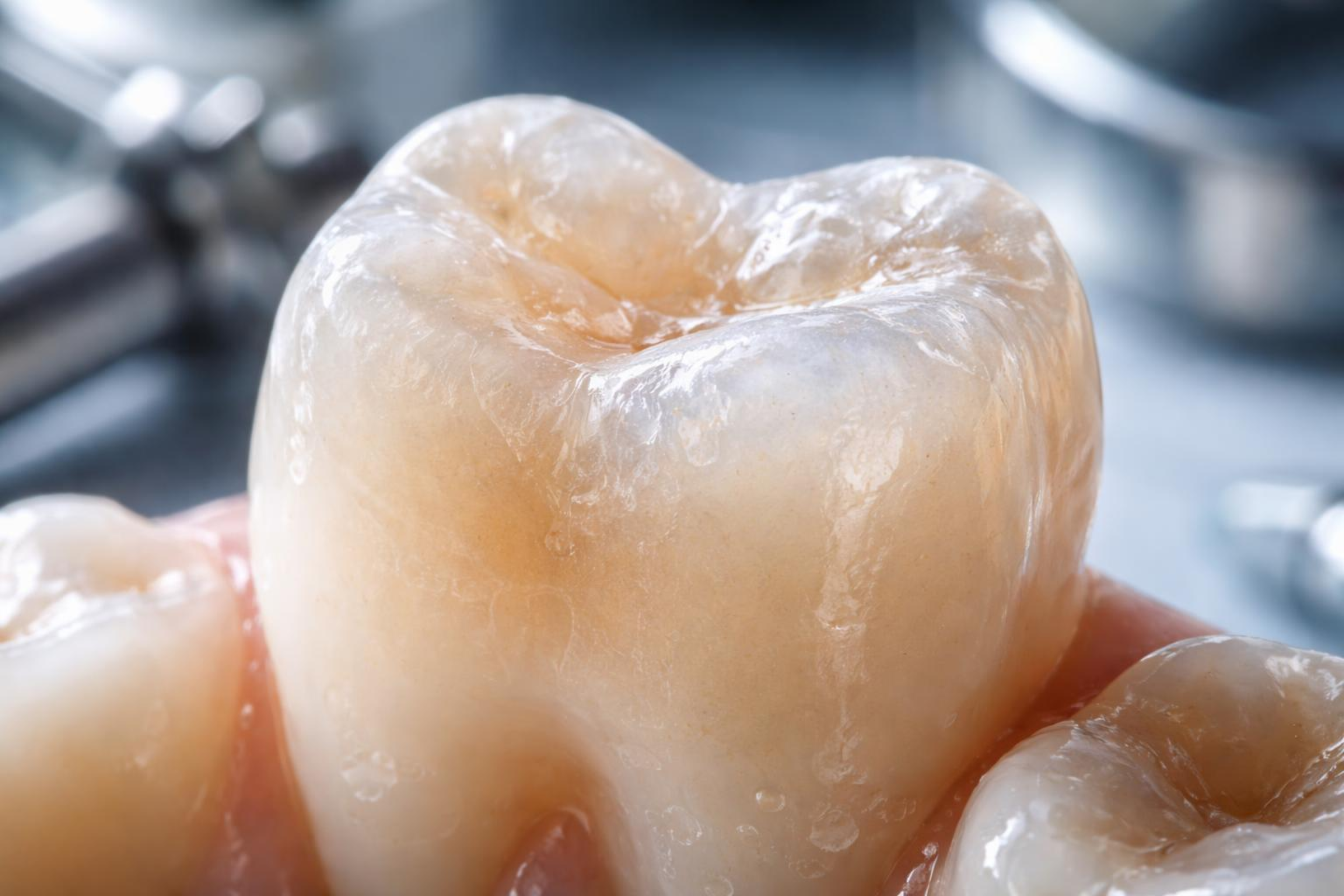
Enamel is the thin outer shell that covers each tooth. It protects the softer inner layers, especially dentin and the nerve-filled center of the tooth. Think of it as the shield that takes the wear so the rest of the tooth doesn’t have to.
It’s the hardest substance in the human body, harder than bone. People hear that and assume it must be indestructible. It isn’t. Strong and invincible are not the same thing.
Every day, enamel deals with acid, pressure, temperature changes, and friction. Coffee in the morning, citrus at lunch, clenching during traffic, brushing before bed. None of that sounds dramatic on its own, but over time it adds up.
When enamel gets thinner, a few things tend to happen:
- teeth may look more yellow because the dentin underneath shows through
- hot, cold, or sweet foods can trigger sensitivity
- edges may feel rough or look slightly translucent
- small chips or fine cracks can appear more easily
That’s why enamel matters so much in general dentistry. It’s not just about appearance. It’s about keeping the whole tooth stable and comfortable.
Can enamel grow back?
No. Once enamel is truly lost, your body does not replace it.
I know that’s the part most people want to be wrong. It would be nice if the answer were “just give it time.” It isn’t.
But there is an important distinction here. Weakened enamel is not the same thing as missing enamel.
In the early stages, minerals can leave the enamel surface because of acid exposure. That process is called demineralization. If the damage hasn’t gone too far, minerals such as fluoride, calcium, and phosphate can be redeposited into the enamel. That’s remineralization.
Remineralization does not regrow enamel from scratch. It strengthens the enamel that is still there. It can help stop early damage from progressing into deeper wear or decay.
This is why dentists care so much about catching enamel problems early. A little sensitivity today is easier to manage than a cracked tooth six months from now.
Why enamel wears down in the first place
Enamel loss usually happens because of repeated stress, not one dramatic event. A few habits and conditions show up again and again.
Acidic foods and drinks
This is the big one.
Soda, sports drinks, fruit juice, sparkling beverages with acid, citrus fruits, and sour candies all expose enamel to acid. After you eat or drink something acidic, your enamel softens for a short period. That acid attack can last around 20 to 30 minutes.
This matters because timing changes everything. If you brush right away, you may be scrubbing softened enamel instead of protecting it.
Frequency matters too. Sipping a soda over two hours is usually worse for enamel than drinking it quickly with a meal, because the teeth stay in an acidic environment much longer.
Brushing too hard
A lot of people think a vigorous scrub means a better clean. It doesn’t. Teeth are not tile.
Using a hard-bristled brush, abrasive toothpaste, or too much pressure can wear enamel down over time, especially near the gumline. If your toothbrush looks flattened after a few weeks, that’s often a clue you’re brushing harder than you need to.
Teeth grinding and clenching
Grinding, also called bruxism, can flatten and chip enamel. Nighttime grinding is especially sneaky because many people don’t know they do it until a dentist spots the wear patterns or a partner hears the noise.
Grinding doesn’t just affect enamel. It can also strain jaw muscles, crack fillings, and make teeth more sensitive.
Dry mouth
Saliva does more than keep your mouth comfortable. It helps wash away food particles, neutralize acid, and supply minerals that protect enamel.
When saliva drops, enamel is more exposed. Dry mouth can happen because of medications, mouth breathing, dehydration, certain health conditions, or even just not drinking enough water during the day.
A couple of often-missed causes
Food and drink get blamed first, and fair enough, but sometimes the acid comes from inside the body. Frequent vomiting and acid reflux can also erode enamel. If someone has ongoing heartburn or unexplained enamel wear on the inner surfaces of the teeth, that deserves attention, both dental and medical.
What early enamel loss looks like
Enamel loss rarely announces itself in a dramatic way at first. It usually starts quietly.
You might notice a zing when drinking ice water. Or your teeth may look less bright even though you brush regularly. Some people feel a rough spot with their tongue before they ever see anything in the mirror.
Watch for these signs:
- sensitivity to hot, cold, or sweet foods
- yellowing that seems new or more noticeable
- tiny chips or rough edges
- shallow dents or flattening on biting surfaces
- teeth that look more transparent near the edges
- discomfort when brushing or eating acidic foods
If a tooth suddenly chips, cracks, or becomes painful, that moves beyond routine monitoring. That’s a good time to seek emergency dental care rather than waiting to see if it settles down.
What you can do at home to protect enamel
This is the part that actually puts you back in control. You can’t regrow enamel, but you can do a lot to protect what remains.
1. Brush twice a day with fluoride toothpaste
Fluoride helps strengthen weak spots and supports remineralization. This is one of the simplest habits with the biggest payoff.
Use a soft-bristled toothbrush and gentle pressure. You’re cleaning plaque off the surface, not sanding the tooth down.
2. Wait after acidic foods or drinks before brushing
Give your mouth about 30 minutes after acidic exposure before you brush. During that window, saliva helps neutralize the acid and the enamel surface begins to recover.
If you want to do something right away, rinse with plain water.
3. Drink more water than you think you need
Water helps rinse away acids and sugars. It also supports saliva production, which matters more than most people realize.
People with dry mouth often have a tougher time with enamel wear and cavities. If your mouth feels sticky or dry often, that’s worth mentioning during a dental visit.
4. Cut down on how often you expose teeth to acid and sugar
This doesn’t mean you can never drink juice or have a soda. It means frequency matters.
Try to have acidic drinks with meals instead of sipping them all day. If you do have one, drink it in one sitting. A straw can help reduce contact with the front teeth.
5. Chew sugar-free gum after meals
Sugar-free gum can stimulate saliva, which helps neutralize acids and protect enamel. It’s a small habit, but it works in your favor, especially when brushing isn’t possible.
6. Pay attention to grinding
If you wake up with jaw tension, headaches, or sore teeth, grinding may be part of the problem. A dentist can check for wear and talk through options such as a night guard. In some cases, bite problems or tooth crowding may also contribute, and orthodontic treatment can be part of the conversation.
Dental treatments that can help protect or repair teeth
Home care is the foundation, but sometimes enamel needs backup. That’s where professional treatment comes in.
Fluoride treatments
Professional fluoride is stronger than what you get from toothpaste. It helps strengthen enamel and makes teeth more resistant to acid. This is useful for children and adults, and especially helpful when early enamel loss or high cavity risk is present.
A routine general dentistry appointment often includes checking for the early chalky or worn areas where fluoride can help most.
Dental sealants
Sealants are thin protective coatings usually placed on the chewing surfaces of molars. They help keep food and bacteria out of deep grooves where brushing doesn’t always reach well.
People often think sealants are only for kids. They’re common in children, yes, but some adults benefit too, especially if their molars are prone to decay.
Dental bonding
If enamel loss has led to small chips, worn edges, or exposed areas, bonding can help. A tooth-colored resin is shaped onto the tooth to restore form and protect vulnerable spots.
This sits at the overlap of general dentistry and cosmetic dentistry. It can make a tooth look better, but just as importantly, it can cover areas that are more sensitive or more likely to keep wearing down.
Crowns
When a tooth is badly damaged, a crown may be the better option. A crown covers the whole visible part of the tooth and protects it from further breakdown.
Crowns are usually considered when there’s extensive wear, large fractures, or heavy structural loss. At that point, the goal is no longer just strengthening enamel. It’s saving the tooth.
Professional whitening, with some caution
People with enamel concerns often want whiter teeth, which makes sense. The catch is that over-the-counter whitening products are not all gentle, and using them too often can increase sensitivity.
Professional whitening under dental supervision is usually safer because the condition of the enamel is checked first and the treatment is controlled. If teeth already have exposed dentin, cracks, or worn spots, whitening may need to wait until those issues are addressed.
When damage goes beyond enamel
If a tooth is severely broken, infected, or no longer restorable, treatment may move into more complex territory, such as oral surgery or replacement options like dental implants. That’s not where most enamel problems start, but it’s one reason early care matters. Prevention is almost always easier than rebuilding later.
When to see a dentist
A lot of people wait until enamel loss hurts. I get why. Sensitivity seems minor until it isn’t.
But enamel wear is easier to manage when the signs are subtle. Book a dental visit if you notice:
- new or worsening sensitivity
- yellowing that isn’t explained by surface stain alone
- chips, cracks, or rough edges
- flattening from grinding
- frequent dry mouth
- pain when eating sweets or drinking something cold
Regular checkups, often every six months, help catch these changes early. A dentist can look at whether the issue is acid, brushing technique, grinding, dry mouth, or a mix of several things. That matters, because the right fix depends on the cause.
If you’re looking for care at a Vancouver dental clinic, it’s reasonable to ask whether they evaluate enamel wear, grinding, whitening safety, and preventive options such as fluoride or sealants. A good exam should connect the dots, not just point out that wear exists.
For people who avoid appointments because of anxiety, sedation dentistry may also be worth asking about. Fear of the visit shouldn’t be the reason enamel problems go unchecked.
The bottom line
Tooth enamel cannot regrow once it’s gone. That part is simple, even if it’s disappointing.
What is possible is still pretty encouraging. Weak enamel can be remineralized. Early damage can be slowed or stopped. Sensitive, worn, or chipped teeth can often be protected with the right mix of home care and dental treatment.
The habits that help most are not flashy: fluoride toothpaste, gentler brushing, waiting before brushing after acid, drinking water, cutting down on frequent acidic drinks, and keeping saliva flowing. Then, when needed, professional fluoride, sealants, bonding, or crowns can protect teeth before problems get deeper.
If your teeth have started feeling more sensitive, looking more yellow, or showing small chips, don’t shrug it off. Enamel loss tends to get worse when ignored and much easier to manage when caught early.