

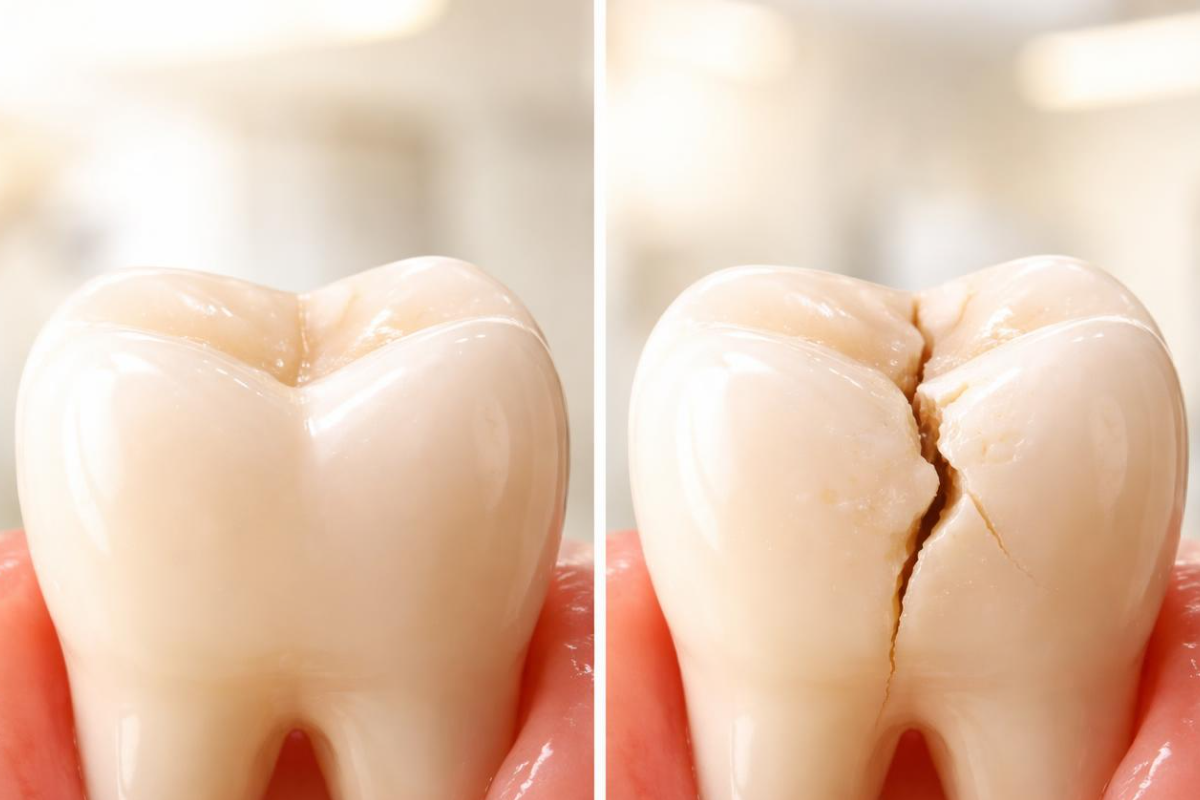
Paying for dental care out of pocket can make people put things off. It happens all the time. A tooth is a little sensitive, gums bleed now and then, a filling breaks but doesn’t hurt much yet, so the appointment gets pushed to next month, then the month after that. The problem is that teeth usually do not reward procrastination. Small issues get bigger, and bigger issues cost more.
That is where the Canadian Dental Care Plan, or CDCP, matters.
At its simplest, the CDCP helps reduce the cost of essential dental care for eligible Canadians who do not have private dental insurance. That sounds straightforward, but the details matter. Coverage is income-based. Some services are more likely to be covered than others. Some treatments may involve co-payments, annual limits, or preauthorization. So yes, it can make care more affordable, but it is not the same as unlimited free dentistry.
Still, even with those limits, the plan can make a real difference. It gives many people a better shot at routine preventive care and basic treatment before a small problem turns into something more painful, more invasive, and more expensive.
Why affordability matters so much in dental care
Dental care has always been a little different from other parts of health care in Canada. Many people rely on workplace benefits, a family insurance plan, or paying out of pocket. If you do not have that kind of coverage, even standard general dentistry can feel hard to budget for.
And when dental care feels expensive, people delay it. That delay often leads to a predictable chain reaction:
-
a skipped checkup means a cavity is missed
-
a small cavity becomes a larger filling
-
a larger filling can turn into a cracked tooth
-
a cracked tooth may eventually need extraction or more complex treatment
None of this is dramatic. It is just common.
The CDCP helps by lowering the financial barrier at the front end, where care is usually simpler. That is the part I think deserves more attention. A lot of discussion about dental plans gets stuck on “What exact services are covered?” That matters, of course. But the bigger story is that access to early care often prevents the need for more involved treatment later.
Who the CDCP is meant to help
The CDCP is designed for eligible Canadians who do not have private dental insurance and who meet current federal requirements.
In practical terms, eligibility is tied mainly to a few things:
-
your residency status
-
whether you have access to private dental insurance
-
your adjusted family net income
-
whether you have filed a recent tax return
That last point can catch people off guard. Dental eligibility may depend in part on tax information, so staying current with your filing matters.
Because government programs can change, it is smart to verify the current federal criteria before applying. Even if a friend or family member qualified earlier, that does not automatically tell you what applies to your situation now.
If you are in Vancouver or anywhere else in Canada and you have been avoiding the dentist because you assumed you had no affordable option, checking your eligibility is worth the effort. It is one of those tasks people tend to postpone because forms are annoying. Fair enough. But it can open the door to care you might otherwise keep putting off.
How the CDCP actually lowers your costs
This is the part many people want explained in plain language.
The CDCP helps pay for approved dental services, but the amount of financial help depends on household income and on the type of treatment. Some patients may qualify for very strong support for eligible care. Others may still have a co-payment or patient portion to pay.
So when people ask, “Does the CDCP cover dental work?” the honest answer is: sometimes fully, sometimes partly, and sometimes not at all.
A few things affect what you end up paying:
Income-based benefit levels
Support is linked to family income. That means two households receiving the same treatment may not receive the same level of help. One patient may owe little or nothing for an approved service, while another may need to pay a share.
Type of service
Routine and preventive services are often the most straightforward part of the plan. More involved care may have added conditions. That does not mean it is impossible to access, but it does mean you should never assume coverage.
Co-payments and annual limits
Even if a service is included, there may be a co-payment or a limit on how much the plan will contribute within a certain period. This is where people sometimes get surprised, especially if they heard “covered” and interpreted that as “free.”
Preauthorization
Some treatments may require approval before the work is done. If that step is skipped, you may face costs you did not expect. It is not the most exciting administrative detail in the world, but it matters a lot.
What kinds of dental services may be covered
The CDCP is mainly about essential oral health care, not every dental service under the sun.
Typical services that may be covered include preventive and basic care, such as:
-
dental examinations
-
cleanings
-
fillings
-
selected periodontal treatments
-
certain extractions
That list matters because it lines up with the kind of care that often keeps problems manageable. A checkup and cleaning can catch gum disease early. A filling can stop decay before it leads to pain or infection. An extraction, while nobody’s idea of a fun afternoon, may be necessary when a tooth cannot be saved.
For many households, getting help with these kinds of treatments is the difference between staying on top of oral health and falling behind.
Where people get confused about coverage
This is probably the most important section if you are trying to budget.
The CDCP does not mean every service offered in a dental office is automatically included. A clinic may provide general dentistry, cosmetic dentistry, emergency dental care, sedation dentistry, oral surgery, dental implants, and orthodontic treatment, but your plan coverage may not extend evenly across those services.
That is why the phrase “participating clinic” is only part of the story. A clinic can accept the CDCP, and you can still have services that need preauthorization, involve co-payments, or sit outside what the plan will pay for.
Here are a few examples of where extra questions make sense:
Cosmetic dentistry
If your goal is appearance-based treatment, such as whitening or veneers, do not assume the CDCP will cover it. Cosmetic dentistry often falls outside the kind of essential care these plans focus on.
Dental implants
Dental implants can be a life-changing treatment for the right patient, but they are more complex and more expensive than a filling or routine exam. If you are considering implants, ask very specific questions about what, if anything, might be covered.
Orthodontic treatment
Braces and similar care are another area where assumptions can cause problems. Orthodontic treatment may involve separate rules, limits, or exclusions. Check before you commit.
Sedation dentistry and oral surgery
Sedation dentistry and oral surgery may be part of needed treatment for some patients, especially those with anxiety, complex extractions, or significant dental issues. But whether those costs are covered, partly covered, or not covered at all can vary. Confirm in advance.
Emergency dental care
If you need emergency dental care, timing matters more than perfect paperwork. Even so, ask the clinic how the CDCP applies to your visit and whether any costs are likely to be billed directly to you.
That may feel like a lot of checking. Honestly, it is. Dental coverage can be a bit of a maze. But five minutes of asking clear questions is much better than getting a bill you did not expect.
Why preventive care is where the CDCP really shines
If I had to make one practical argument for the plan, it would be this: prevention is cheaper, easier, and less stressful than repair.
Routine visits do not always feel urgent. That is exactly why they get skipped. But preventive care is often the point where the CDCP can save patients the most money over time.
Think about what a regular exam can uncover:
-
a cavity before it causes pain
-
gum inflammation before it becomes more serious periodontal disease
-
wear and tear on a filling before the tooth fractures
-
signs of infection before swelling or severe discomfort begins
When people can get into a chair for routine general dentistry instead of waiting for a crisis, they usually have better treatment options. Simpler treatment. Lower costs. Less time away from work or family. Fewer situations where fear and pain are driving every decision.
That is not a small thing. It changes how people use dental care.
What to do before you book an appointment
A little preparation goes a long way here.
1. Check your current eligibility
Before anything else, confirm that you meet the present federal requirements. Do not rely on outdated posts, old articles, or a friend’s memory of how it worked last year.
2. Confirm that the clinic participates in the CDCP
Not every provider participates, so ask before booking. This is especially useful if you are looking for a Vancouver dental clinic and want to avoid back-and-forth after you have already scheduled time off.
3. Ask about your specific treatment, not just the plan in general
This is the question that saves people the most confusion: “Is my specific treatment covered, and if so, how much?”
A plan can help with one procedure and not another. Ask about:
-
expected coverage
-
co-payments
-
annual maximums or limits
-
whether preauthorization is needed
-
any likely excluded services
4. Request a cost discussion before treatment starts
A good clinic should be able to explain the billing process and your share of the fees before treatment begins. If something is unclear, keep asking. You are not being difficult. You are being careful.
What to expect at a participating clinic
Once you are approved and book with a participating provider, the process should feel more manageable.
In many cases, the clinic will review your information, explain how billing works, and tell you whether there is a patient portion to pay. If a procedure needs preauthorization, that should come up before treatment, not after.
Clear communication matters a lot here. It shapes everything from treatment planning to budgeting. When a clinic explains fees in plain language, patients can make decisions with less stress and fewer surprises.
That matters even more for families, older adults, and anyone already juggling medical expenses, childcare, rent, or other financial pressure. Dental decisions are rarely made in isolation. They sit inside the rest of life.
Questions worth asking before treatment
People sometimes feel awkward asking about money in a health setting. I understand that. But dental fees and insurance details are practical questions, not rude ones.
Here are smart questions to ask:
-
Is this clinic currently accepting CDCP patients?
-
Is my planned treatment eligible under the CDCP?
-
Will I have a co-payment?
-
Are there annual limits I should know about?
-
Does this treatment require preauthorization?
-
Are there parts of the appointment or procedure that are not covered?
-
What will I need to pay on the day of treatment?
You do not need to memorize that list. Even asking three of those questions is better than walking in blind.
The bigger value of the CDCP
The biggest benefit of the CDCP is not just financial, though that matters plenty. It is that the plan gives more people permission, in a sense, to stop waiting.
When care feels out of reach, people adapt by postponing. They eat on one side. They ignore bleeding gums. They hope a sensitive tooth settles down. They live around the problem until the problem gets louder.
A plan that makes basic dental care more affordable interrupts that cycle.
It will not solve every issue in oral health access. It does not erase exclusions, limits, or paperwork. It does not turn every dental service into a covered benefit. But it can make essential care more realistic for people who would otherwise stay away.
That is a meaningful shift.
A simple way to use the CDCP wisely
If you qualify, the best use of the CDCP is usually the least dramatic one: use it early, use it regularly, and ask questions before treatment.
Book the exam. Get the cleaning. Deal with the filling while it is still a filling. Confirm the numbers before a more complex procedure. Keep up with visits even if nothing hurts.
That is not flashy advice. It is just the advice that tends to save the most money, discomfort, and stress later.
And if you are exploring care beyond routine visits, whether that means emergency dental care, oral surgery, sedation dentistry, dental implants, or orthodontic treatment, go in with specifics. Ask what the plan covers, what it does not, and what your share will be. Guessing is expensive.
The CDCP can make dental care more affordable in Canada. For many people, that affordability starts with something pretty ordinary: finally booking the appointment they have been putting off.