

Why More Vancouver Adults and Teens Are Choosing Invisalign for Straighter Smiles
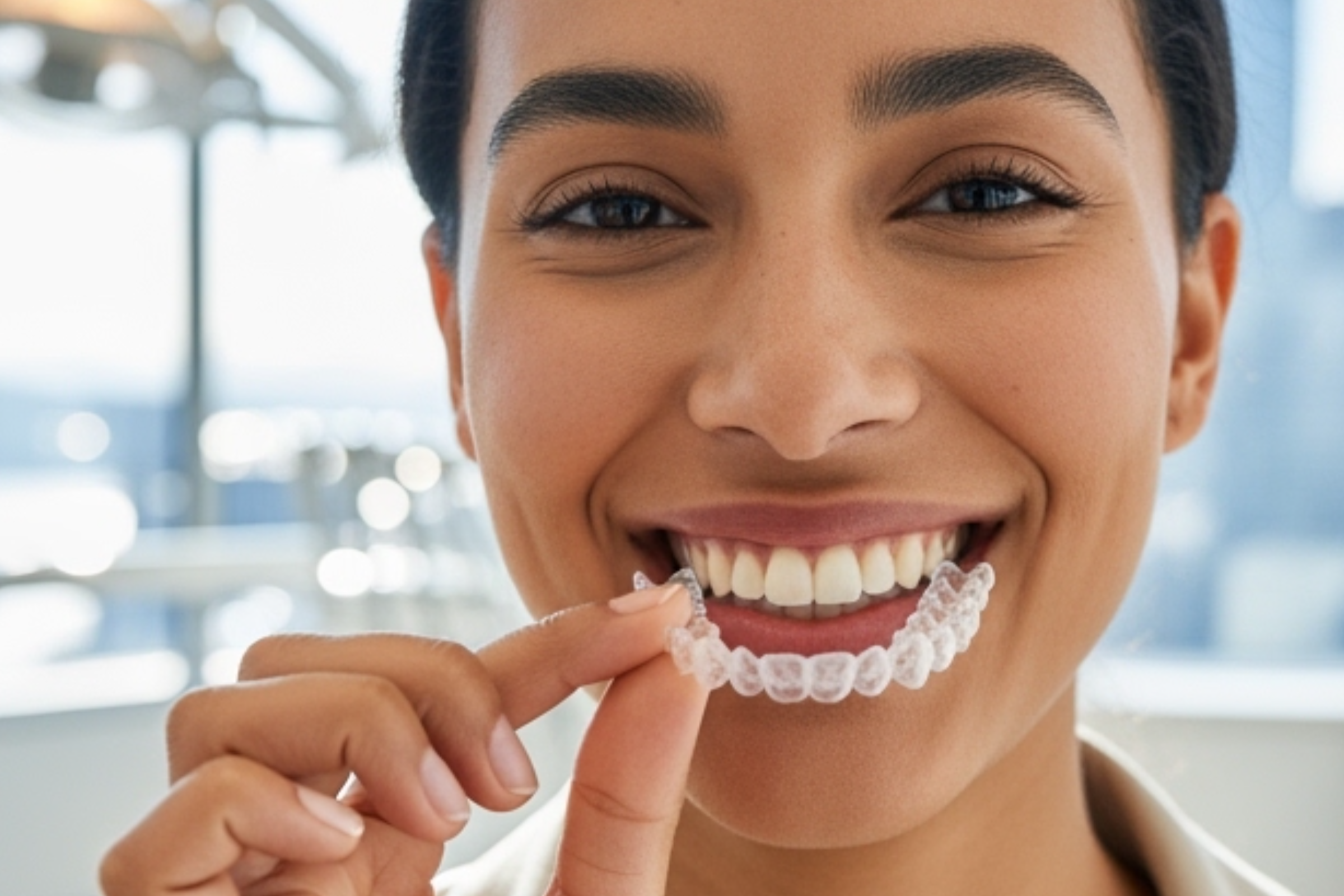
For many people in Vancouver, the thought of having a straighter, healthier smile is appealing—but the idea of wearing traditional metal braces may not be. This is where Invisalign enters the picture as a modern, innovative solution for orthodontic treatment. Invisalign uses a series of clear, custom-made aligners designed to gently shift teeth into the desired position over time. One of the top reasons adults and teens are drawn to Invisalign is its discreet look. The transparent material is barely noticeable, making it easy to go about daily life, whether at work, school, or social events, without drawing unwanted attention.
Comfort is another major factor. Unlike metal braces, Invisalign aligners have no wires or brackets to poke or irritate lips and cheeks. This makes them a popular choice for those who want a smoother, less intrusive dental experience. Invisalign fits seamlessly into busy lifestyles: the aligners can be removed for meals, brushing, flossing, or important moments like job interviews or photoshoots. This flexibility means there are no restrictions on what you can eat or drink—simply take the trays out, enjoy your meal, and put them back in.
The rise of digital dental technology also plays a role. Vancouver clinics now use advanced 3D scanning and modeling to create personalized Invisalign treatment plans. Add to this the growing number of local dentists offering Invisalign, and it’s easy to see why more Vancouverites are choosing clear aligners to improve their smiles in a way that suits their needs and aesthetic preferences.
Common Dental Problems Invisalign Can Treat: Crowding, Gaps, and Bite Issues
Invisalign isn’t just about looks—it’s a powerful tool for correcting a range of dental problems that can affect oral health and confidence. One of the most common issues Invisalign treats is crooked or misaligned teeth. When teeth aren’t properly aligned, they can be harder to clean, increasing the risk of cavities and gum disease. Invisalign gently shifts teeth into better positions, making brushing and flossing more effective and boosting overall dental health.
Dental crowding is another frequent complaint, especially among adults who didn’t have orthodontic treatment as children. Crowded teeth can overlap or twist, trapping food and plaque in hard-to-reach places. Invisalign aligners apply precise pressure to create space and guide teeth into a straighter line, reducing the risk of decay and gum issues.
Gaps between teeth—sometimes called diastema—are not just a cosmetic concern. They can also affect bite and speech. Invisalign is designed to close these unwanted spaces, helping teeth meet properly and giving patients a more balanced, harmonious smile. This improvement isn’t just cosmetic; it can also prevent uneven wear on teeth and make daily oral care easier.
Bite problems are another area where Invisalign shines. Conditions like overbite (upper teeth sticking out too far), underbite (lower teeth protruding), crossbite (misaligned dental arches), and open bite (teeth that don’t touch when the mouth closes) can all be addressed with clear aligners. Proper alignment not only improves appearance but also helps with chewing, speaking, and long-term jaw health. Whether you’re a teen with developing teeth or an adult looking for a confidence boost, Invisalign offers effective solutions for many common dental concerns.
When Invisalign May Not Be Enough: Limits of Clear Aligners and Other Treatment Options
While Invisalign is an impressive option for many orthodontic issues, it’s important to recognize its limitations. Not every dental problem can be resolved with clear aligners, and some cases require more traditional or complex interventions. For example, severe malocclusions—where the relationship between the upper and lower jaws is significantly off—may need traditional braces, headgear, or even surgical correction. Invisalign works best for mild to moderate alignment problems, so if your teeth or jaws need more dramatic movement, your dentist may recommend alternative solutions.
Some tooth movements are particularly challenging for clear aligners. Teeth that need to be rotated significantly, or those requiring substantial vertical movement (such as correcting a deep bite), may not respond fully to Invisalign. Additionally, if you have bridges, significant dental implants, or several missing teeth, clear aligners might not be able to provide the necessary anchorage to guide movement effectively.
A thorough dental evaluation is essential to determine if Invisalign is suitable for your individual needs. A dentist will assess not only your teeth, but also your gums, bone health, and bite function before making a recommendation. Sometimes, treatment may involve a combination of approaches—using clear aligners for part of the process and traditional braces or other appliances for the rest.
For those who can’t use Invisalign, there are still plenty of options: fixed braces, removable orthodontic appliances, and even corrective oral surgery in more complex cases. In all instances, working closely with your dental provider will help you find the safest and most effective path to a healthy, attractive smile.
How Invisalign Treatment Works at a General and Cosmetic Dentistry Clinic
Embarking on Invisalign treatment typically begins with a personalized consultation at your local dental clinic. During this initial visit, your dentist will conduct a comprehensive oral examination to determine if Invisalign is an appropriate choice. Digital 3D imaging and scanning technologies are used to map the current position of your teeth and design a precise treatment plan. This advanced approach allows patients to preview how their teeth will move and what their new smile could look like even before starting the process.
Once your treatment plan is finalized, your custom clear aligners are fabricated using durable, medical-grade plastic. When you return to the clinic, your dentist will ensure the aligners fit comfortably and explain how to use and care for them. The expectation is that you wear the aligners for 20 to 22 hours each day, removing them only for meals and oral hygiene.
Regular check-ins, usually every six to eight weeks, are scheduled to monitor your progress and provide new sets of aligners. These visits are generally quick, as there are no wires to adjust, but they are crucial for ensuring teeth are moving as planned. If adjustments are needed, your dentist can modify the treatment plan on the spot.
Many general and cosmetic dentistry clinics are equipped to integrate Invisalign with other dental services. For instance, if you need teeth whitening, restorative work, or even dental implants, these can often be coordinated as part of your overall smile makeover. This comprehensive approach ensures that every aspect of your dental health is considered, and your final result is both functional and beautiful.
Is Invisalign Right for You? Questions to Ask Your Vancouver Dental Clinic
Deciding whether Invisalign is the right solution for your smile starts with asking the right questions at your consultation. Begin by clearly outlining your dental goals: Are you most concerned about crooked teeth, gaps, bite issues, or a combination of these? Sharing your priorities helps the dental team design a plan tailored to your needs and expectations.
Ask your dentist about the likely outcomes based on your starting point. How long will treatment take? Most Invisalign cases last anywhere from six months to two years, depending on complexity. Your provider should be able to give you a realistic estimate and discuss what you can expect to see along the way.
Cost is an important consideration. While Invisalign can be similar in price to traditional braces, it’s wise to ask about payment plans, insurance coverage, and any financing options available. Many clinics offer complimentary consultations, allowing you to get a sense of the process and pricing before making a commitment.
Don’t hesitate to discuss any concerns about limitations or challenges that may apply to your situation. For example, if you have dental implants or significant dental work, your dentist can explain how this might influence your treatment plan. They can also review how general dentistry, cosmetic procedures, or even emergency dental care might fit into your overall oral health strategy.
Ultimately, the decision about Invisalign should be made with the guidance of an experienced dental team who understands both your goals and the intricacies of clear aligner therapy. By having an open, thorough conversation with your provider, you’ll feel empowered to make the best choice for a confident, healthy Vancouver smile.