

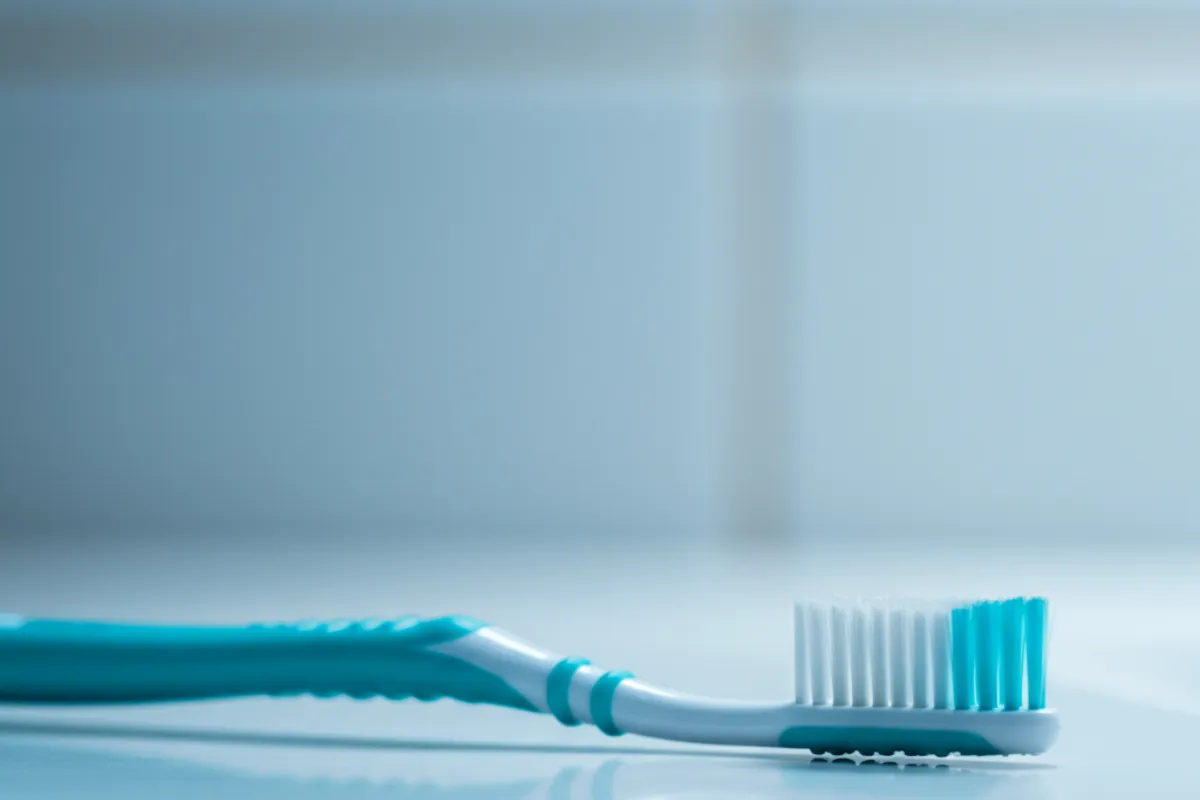
Why Picking the Right Toothbrush Matters for Your Smile
Choosing the right toothbrush is more than a simple shopping decision—it’s a cornerstone of maintaining a healthy, radiant smile. The toothbrush you use plays a critical role in how effectively you can remove food particles and plaque from your teeth, which directly impacts your overall oral health. A well-chosen toothbrush makes daily brushing comfortable, which in turn helps you stick to a regular routine—a key factor in preventing common dental problems like cavities, gingivitis, and tartar buildup.
Comfort is another essential aspect. A toothbrush that feels good to use can make all the difference in establishing lifelong healthy habits. If a brush is too harsh or the handle doesn’t fit well in your hand, you might be less likely to brush thoroughly or as often as recommended. Over time, this can lead to more frequent dental concerns, potentially requiring restorative or even emergency dental care.
Beyond cleaning, the right toothbrush helps protect your delicate gum tissue and tooth enamel. Using a brush that’s too abrasive can cause gum recession or wear down enamel, leaving teeth sensitive and more vulnerable to decay. Ultimately, choosing the right toothbrush is a small step with big benefits, laying the groundwork for a healthy mouth and a confident smile for years to come.
Understanding Bristle Types: Soft, Medium, or Hard?
One of the key decisions when selecting a toothbrush is the type of bristle. Most dental professionals recommend using a brush with soft bristles, and for good reason. Soft bristles are gentle enough to clean along the gumline and between teeth without causing irritation or damaging delicate oral tissues. They flex easily, allowing you to reach into small crevices where plaque tends to accumulate.
On the other hand, medium or hard bristles might seem like a good idea if you want a vigorous clean, but they can actually do more harm than good. Bristles that are too stiff can wear down the enamel—the protective outer layer of your teeth—and contribute to gum recession over time. This is especially true if you brush with excessive force, a common habit among those eager for a pristine smile.
It’s a common misconception that firmer bristles clean better. In reality, effective brushing comes down to technique and consistency, not the abrasiveness of your toothbrush. Soft bristles, combined with a gentle circular motion, can remove plaque just as effectively as tougher bristles, but without the risk of damaging your mouth. For those with sensitive teeth or gums, soft bristles are especially important to prevent discomfort and maintain optimal oral health.
Finding the Ideal Toothbrush Size and Shape for Thorough Cleaning
Selecting a toothbrush with the right size and shape is just as important as choosing the correct bristle type. The toothbrush head should be small enough to navigate easily inside your mouth, especially to reach the back teeth and tight spaces. Most adults do well with a brush head that’s about one inch tall and half an inch wide, providing enough surface area for effective cleaning without being cumbersome.
A brush that’s too large can make it difficult to clean hard-to-reach areas, potentially leaving plaque behind on molars or along the gumline. Conversely, a brush that’s too small may extend brushing time unnecessarily or fail to clean efficiently. For children, even smaller brush heads are recommended to ensure a comfortable and thorough clean.
Handle design also matters—look for a handle that feels secure in your hand and offers good control, whether you prefer a slim, straight design or one with a non-slip grip and ergonomic shape. The right handle can make brushing more comfortable and help you reach every area of your mouth with ease. Ultimately, a toothbrush that fits comfortably in your mouth and hand will encourage proper brushing technique and help maintain optimal oral hygiene.
Manual vs. Electric Toothbrushes: Which Suits Your Needs Best?
The debate between manual and electric toothbrushes often comes down to personal preference, lifestyle, and specific dental needs. Manual toothbrushes are widely available, cost-effective, and easy to travel with. They rely on your brushing technique, and with the right approach—gentle, circular motions for two minutes—they can be just as effective as their electric counterparts.
Electric toothbrushes, however, bring a variety of features that can enhance your daily brushing routine. Many models include built-in timers to ensure you brush for the recommended two minutes, as well as pressure sensors that alert you if you’re brushing too hard. This can be especially beneficial if you tend to be heavy-handed or struggle to keep track of time. The consistent, automated motion of electric brushes often helps remove more plaque, particularly for those with orthodontic appliances like braces or anyone with limited manual dexterity.
It’s important to note that regardless of the type, always opt for a soft-bristled brush. Both manual and electric toothbrushes require regular replacement every three to four months—or sooner if the bristles become frayed. In the end, the best toothbrush is the one you feel comfortable using twice a day and that supports your individual needs for maintaining healthy teeth and gums.
When and Why You Should Replace Your Toothbrush
A toothbrush is only as good as its condition. Over time, the bristles on your brush wear down, losing their shape and cleaning effectiveness. Dental experts recommend replacing your toothbrush—or toothbrush head, if using an electric model—every three to four months. If you notice the bristles becoming frayed or splayed sooner, it’s best to make the switch right away.
Worn-out bristles are not only less effective at removing plaque, but they can also become a breeding ground for bacteria. This is especially important to consider if you’ve recently been ill; replacing your toothbrush after a cold, flu, or other infection helps prevent reinfection and supports overall health.
Regularly updating your toothbrush is a simple step with big benefits for your oral hygiene. Fresh, properly shaped bristles can reach all areas of your mouth, ensuring that every brushing session is as effective as possible. Keeping track of your toothbrush’s condition and replacing it on schedule is an easy way to maintain a healthy, bright smile and reduce the risk of dental issues.
Special Considerations: Sensitive Teeth, Braces, and Unique Dental Needs
Not everyone has the same dental needs, and certain conditions call for special attention when choosing a toothbrush. For those with sensitive teeth or gums, extra-soft bristles or toothbrushes specifically designed for sensitivity can provide a gentle clean without causing discomfort. If you’re undergoing orthodontic treatment, such as braces or aligners, look for toothbrushes with smaller heads or specially arranged bristles that can clean around wires and brackets more effectively.
Children and older adults may also benefit from toothbrushes tailored to their needs. Kids’ brushes feature smaller heads and handles designed for little hands, while adaptive designs can help those with limited mobility maintain their independence and oral hygiene.
If you have dental implants, crowns, or have recently undergone oral surgery, your dentist may recommend a particular type of toothbrush or brushing technique to protect your investment and promote healing. Don’t hesitate to consult your dental care provider for personalized recommendations—they can help you find the best tools for your unique situation, ensuring your smile stays healthy and beautiful at every stage of life.
Expert Tips for Maintaining Healthy Teeth and Gums
While choosing the right toothbrush is crucial, maintaining healthy teeth and gums involves more than just your brush. Start by brushing twice a day for at least two minutes, using a soft-bristled brush and fluoride toothpaste to help strengthen your enamel and prevent cavities. Replace your toothbrush regularly to ensure effective cleaning with every use.
Don’t forget to floss daily to remove plaque from areas your toothbrush can’t reach, such as between teeth and below the gumline. Incorporating an antimicrobial or fluoride mouthwash can offer added protection, especially for those prone to cavities or gum issues.
Finally, make regular dental checkups part of your oral health routine. Professional cleanings and exams allow dental experts to spot problems early, provide tailored advice, and ensure you’re using the best products for your needs. By combining the right tools and consistent habits, you’ll support your oral health, reduce the risk of dental emergencies, and enjoy a brighter, more confident smile for years to come.