

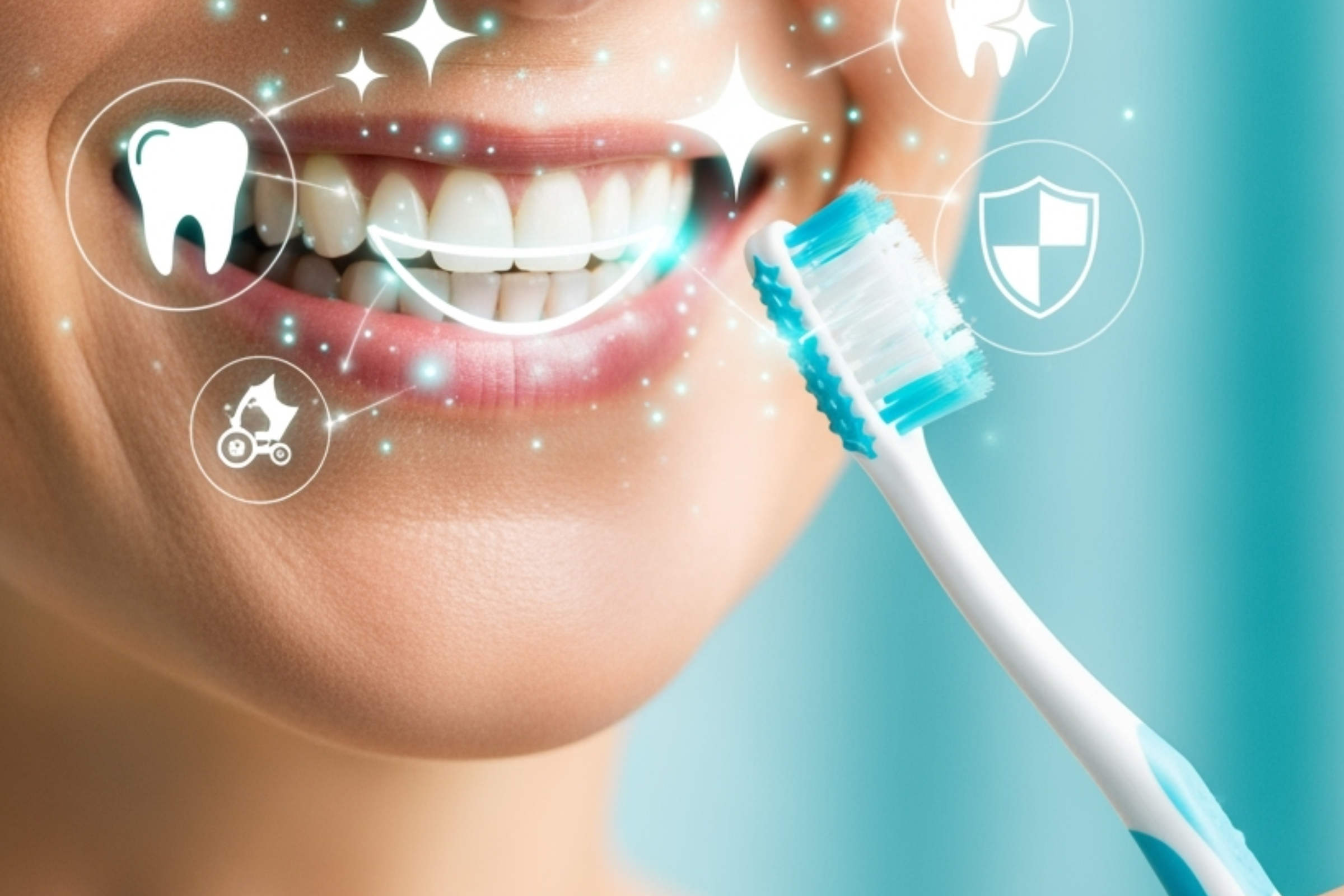
Why Daily Oral Care Matters for Your Teeth, Gums, and Overall Health
Maintaining optimal oral health starts with the small choices you make every day. Consistent dental care routines are more than just a way to keep your smile bright—they are your best defense against tooth decay, gum disease, and even tooth loss. When you brush and floss daily, you disrupt the formation of plaque, a sticky film of bacteria that constantly tries to settle on your teeth and gums. Plaque isn’t just unsightly; over time, it hardens into tartar, which leads to cavities, inflamed gums, and the kind of dental problems that might require emergency dental care.
But oral hygiene goes far beyond your mouth. The condition of your teeth and gums can influence your entire body. For instance, untreated gum disease has been linked to an increased risk of heart disease, diabetes complications, and respiratory illness. The mouth is truly a gateway to your overall health, and neglecting it can have ripple effects you might not expect.
Taking care of your mouth has immediate benefits, too. Consistent brushing, flossing, and rinsing keep your breath fresh and your teeth free of stains, supporting confidence in social and professional settings. Most importantly, these habits—and regular visits to a Vancouver dental clinic—help you avoid the pain, expense, and inconvenience of dental emergencies. By making oral care a non-negotiable part of your day, you’re setting the stage for lifelong health and happiness.
Building a Strong Home Routine: Brushing, Flossing, Mouthwash, and Toothbrush Care
A strong home care routine is the cornerstone of excellent oral hygiene. Let’s break down each crucial step to ensure your daily efforts are as effective as possible.
First, brushing twice a day—ideally in the morning and just before bed—is non-negotiable. Each session should last a full two minutes, giving you time to reach every surface: front, back, and chewing surfaces, along with the gumline. Using a soft-bristled toothbrush and fluoride toothpaste helps remove plaque and food particles without damaging enamel or gums.
Flossing might seem like a small step, but it’s your best shot at removing debris and plaque from the tight spaces your brush can’t reach. Floss at least once daily, preferably at night, to prevent decay between teeth and to support gum health. This simple habit significantly reduces the risk of interproximal cavities and inflamed gums.
Adding mouthwash to your regimen can be a game changer. Antiseptic or fluoride mouth rinses can reach bacteria in places brushing and flossing miss, lowering your risk of cavities and gum disease while keeping your breath fresh. Just a quick swish after brushing and flossing gives your mouth a final clean sweep.
Don’t forget to replace your toothbrush or brush head every six months—or sooner if bristles are frayed or after you’ve been ill. Worn-out bristles can’t clean effectively and may harbor bacteria. Consistency is key: make brushing and flossing part of your routine by linking them to daily habits like showering or winding down before bed for long-term success.
Food, Drinks, and Hydration: How Your Diet Shapes Oral Health
What you eat and drink plays a surprisingly large role in your oral health. Sugary foods and beverages create the perfect environment for bacteria, fueling acid attacks that wear down enamel and lead to cavities. Frequent sipping of soda, sports drinks, or sweetened coffees can bathe your teeth in sugar, dramatically increasing your risk of decay.
Opting for a balanced, nutrient-rich diet makes a world of difference. Calcium-rich options—such as yogurt, cheese, almonds, and leafy greens—help strengthen your teeth and bones. Crisp fruits and vegetables like apples, carrots, and celery are not only healthy snacks but also act like natural toothbrushes, scrubbing away food particles and stimulating saliva flow as you chew.
Speaking of saliva, hydration is crucial. Water works wonders for your mouth, washing away debris, neutralizing acids, and keeping tissues moist. Adequate water intake also helps maintain the natural flow of saliva, which is essential for controlling bacteria and protecting enamel. Whenever possible, choose water or milk over sugary alternatives. Reserve sweet drinks for special occasions, and consider using a straw to minimize contact with your teeth.
By making simple substitutions—like choosing water over soda or snacking on crunchy veggies instead of chips—you’re giving your teeth extra protection. These small, consistent choices contribute to a healthier mouth and reduce your need for treatments like dental implants or emergency dental care down the road.
Beyond the Bathroom Mirror: Dental Checkups, Emergency Dental Care, and When to Seek Help
Even with the most diligent home routine, professional care plays an indispensable role in maintaining oral health. Scheduling dental checkups and cleanings every six months allows your dentist to remove tartar that brushing and flossing can’t tackle. These visits also enable early detection and management of issues like cavities, gum disease, or signs of oral cancer—long before they become major concerns.
A typical dental exam includes more than just cleaning. Your dentist will screen for oral cancer, assess gum health, check for cavities, and evaluate your bite. This comprehensive approach makes your regular visit a key preventive measure, potentially saving you from pain, complications, and the costs of more intensive procedures later.
Neglecting these appointments increases your risk of needing emergency dental care. Sudden pain, swelling, broken or knocked-out teeth, and unexplained bleeding all signal the need for immediate evaluation. Acting quickly in these cases can mean the difference between saving and losing a tooth, or preventing an infection from spreading.
If you’re in Vancouver and wondering when to seek help, remember: don’t wait for pain. Unusual sores, lumps, or persistent discomfort should prompt a call to your dental clinic. Regular checkups, alongside your at-home care, are your best tools for protecting your smile and overall well-being.
Protecting Your Smile for Life: Smoking, Self‑Exams, and Long‑Term Oral Health
A healthy mouth is an investment that pays dividends for a lifetime, and protecting it means being proactive about risk factors and vigilant in self-care. One of the most significant steps you can take is to avoid or quit smoking. Tobacco use doesn’t just stain your teeth; it dramatically increases your risk for gum disease, tooth loss, delayed healing after dental procedures, and oral cancers. The benefits of quitting are immediate and profound—from fresher breath and whiter teeth to greatly reduced health risks.
Monthly self-exams add another layer of protection. Take a few minutes to look inside your mouth for anything unusual: persistent sores, lumps, red or white patches, or areas that don’t heal. Early detection is key; if you notice changes, don’t hesitate to book a dental appointment. Prompt professional evaluation ensures any concerns are addressed early while they’re easiest to treat.
Long-term, the impact of your daily habits can’t be overstated. Consistent oral hygiene, regular professional care, smoke-free living, and attentive self-checks all add up to fewer emergencies, a lower risk of serious disease, and a smile that lasts. For those considering advanced dental treatments—such as cosmetic dentistry, dental implants, or orthodontic treatment—maintaining a healthy foundation is critical for success.
Prioritizing your oral health enriches your life, boosts your confidence, and protects your whole body. Whether you’re seeking general dentistry for your family or exploring specialty services in Vancouver, your efforts at home are the most powerful tool in achieving—and keeping—a vibrant, healthy smile.