

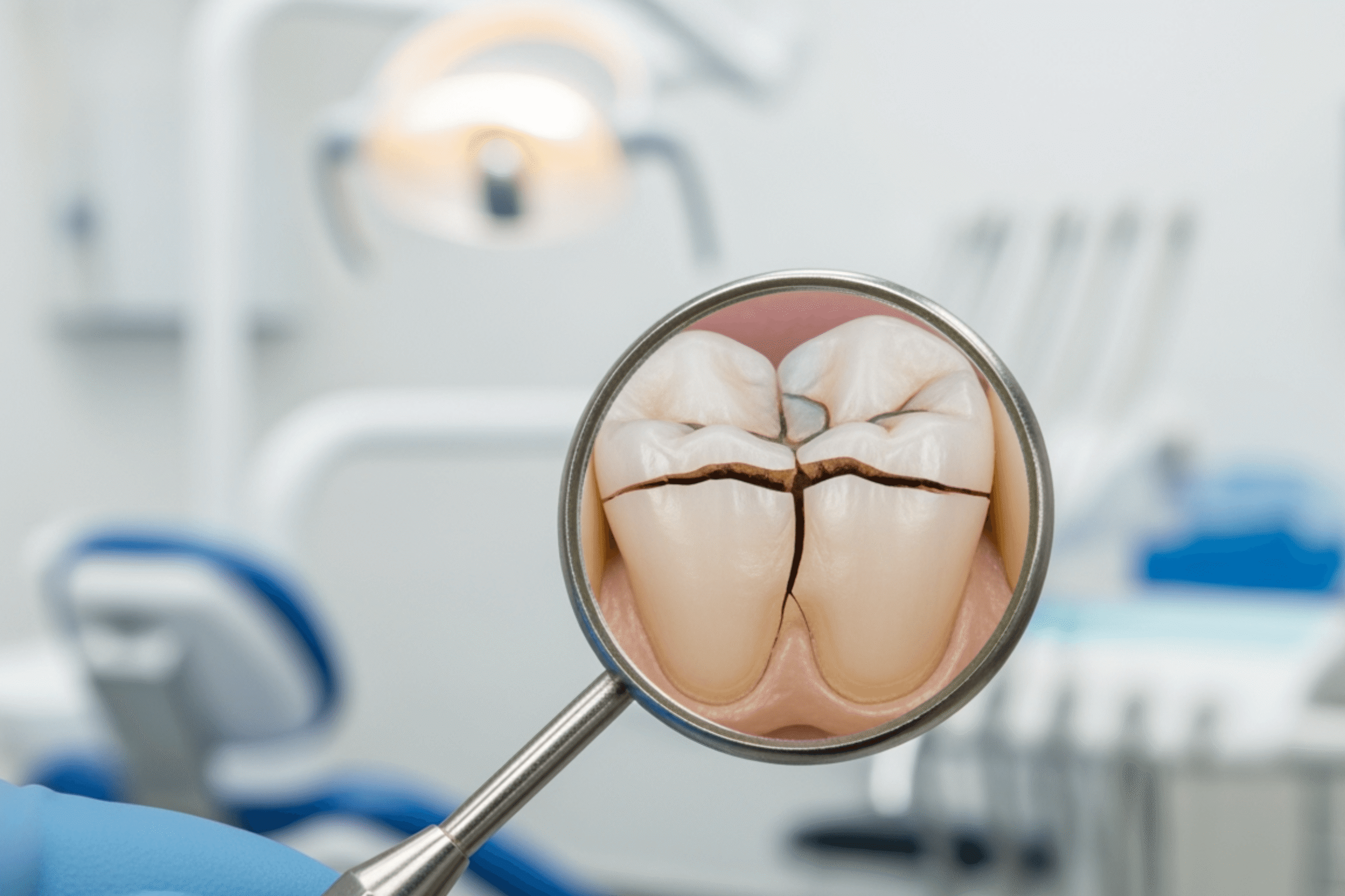
Why Cracked Teeth Are Easy to Miss (And Why That’s Risky)
It’s surprisingly common for people to have a cracked tooth and not realize it. Unlike a cavity or a chipped tooth, a crack can be almost invisible to the naked eye. Even during day-to-day activities like chewing or drinking, the symptoms may be so mild or fleeting that they’re easy to overlook. Many cracks start internally or run along the tooth’s surface so subtly that you can’t detect them without a dental exam.
Because these symptoms are often intermittent or barely noticeable, people tend to dismiss them as temporary discomforts. A little twinge when biting down or a moment of sensitivity to cold drinks might be brushed off as nothing serious. However, just because the warning signs are easy to ignore doesn’t mean they’re harmless.
Cracked teeth have a sneaky way of progressing right under your radar. What starts as a minor issue can expand with daily use, especially under the repeated pressure of chewing. Left unaddressed, a small crack can deepen and expose the inner layers of the tooth, increasing the risk of infection or even leading to the need for extraction. That’s why it’s important to stay vigilant for subtle symptoms and seek an evaluation from a general dentistry professional, especially if you live in a busy city like Vancouver where emergency dental care is readily available. Early attention is key to preserving your natural teeth and avoiding more complicated—and costly—dental procedures down the road.
Subtle Symptoms of a Cracked Tooth You Should Never Ignore
Cracked teeth can signal trouble in ways that aren’t always obvious. Recognizing these warning signs early can make all the difference between a simple fix and a dental emergency. One of the most common indicators is a sudden, sharp pain when chewing or biting, particularly if it happens with certain foods. You might also notice that pain is provoked not just by pressure, but when you release your bite—something unique to cracked teeth.
Another red flag is sensitivity to temperature. If your tooth aches or throbs after exposure to hot coffee or cold ice cream, and that discomfort lingers for more than a moment, it’s a sign that the crack may be allowing heat or cold to reach the tooth’s nerve. Sometimes the pain comes and goes, making it easy to dismiss or attribute to another problem.
Pay attention to changes in your gums, too. Swelling or tenderness near a single tooth could mean that the area is irritated or that bacteria are beginning to invade through the crack. As a crack worsens, you may also start to notice increased sensitivity to air—such as a sharp jolt when breathing in on a cold day or when sucking in through your teeth.
If any of these symptoms arise, don’t wait for them to become constant or severe. These are early clues that something may be wrong, and reporting them promptly during a routine checkup or to your local Vancouver dental clinic can prevent more serious issues. Modern cosmetic and general dentistry tools make it easier than ever to diagnose even subtle cracks.
From Minor Crack to Dental Emergency: Red Flags and Risk of Infection
Not every cracked tooth situation is urgent, but there are clear signs when what started as a minor annoyance has escalated into a dental emergency. One of the most critical indicators is a sudden spike in pain—if you go from occasional twinges to severe, persistent discomfort, the crack may have deepened or spread. New sensitivity to cold air or sweet foods can signal that the crack now reaches the inner layers of the tooth.
Swelling, redness, or pus near your gums is a major warning sign that infection is taking hold. Bacteria can slip through a crack and infect the pulp—the innermost chamber of your tooth where nerves and blood vessels reside. At this stage, the risk of serious complications, such as an abscess (a pocket of pus) or tooth loss, dramatically increases.
Sometimes, the crack will progress to the point where a chunk of the tooth actually breaks off. This is not just a cosmetic concern. When a tooth loses structural integrity, it becomes much more vulnerable to infection and further breakage. If you find yourself holding a piece of your tooth, or notice a jagged edge in your mouth, it’s time to seek emergency dental care right away.
Ignoring these red flags can have serious consequences. Infection may spread beyond the tooth to other areas of the mouth or even the bloodstream, leading to more complex health problems. That’s why general dentists, especially those in high-traffic urban centers like Vancouver, prioritize rapid assessment and treatment for these emergencies. Early intervention can mean the difference between saving your tooth and needing oral surgery or dental implants.
Treatment Options for Cracked Teeth: From Fillings to Dental Implants
The right treatment for a cracked tooth depends on how far the damage has progressed. For minor cracks that don’t extend beyond the enamel, a dental filling can often restore strength and prevent the crack from spreading. This is a quick and minimally invasive option that helps you retain your natural tooth structure.
When a crack is more pronounced but hasn’t yet reached the nerve, your dentist may recommend a dental crown. Crafted from durable materials, crowns encase the damaged tooth, shielding it from further stress and restoring normal function. Crowns are a staple in both cosmetic and general dentistry, especially for teeth that take the brunt of chewing forces.
If the crack extends into the pulp—the living tissue inside your tooth—a root canal may be necessary. This procedure removes the infected or irritated nerve tissue, cleans the inner chamber, and seals the tooth to prevent future problems. Advances in sedation dentistry ensure that root canals are far more comfortable than their reputation suggests.
For teeth that are too damaged to save, extraction may be the only option. Fortunately, dental implants offer a reliable and long-lasting solution. With a success rate as high as 95% at leading Vancouver clinics, implants not only restore your smile but also help preserve jawbone structure and function. Oral surgery for implants is highly predictable and can be tailored to your specific needs.
Your dentist will evaluate the extent of the crack using specialized tools and imaging, determining the best approach to treatment. Acting quickly gives you the best chance of preserving your natural teeth and avoiding more complex, costly procedures.
Acting Early to Protect Your Smile: Prevention, Checkups, and When to Call an Emergency Dentist
The best defense against the complications of a cracked tooth is early detection and swift action. Routine dental checkups provide an essential safety net, giving dentists the chance to identify tiny cracks you might not notice on your own. Regular exams and cleanings at a trusted Vancouver dental clinic help catch problems before they escalate.
But prevention begins at home. Protect your teeth by wearing a mouthguard if you play contact sports or grind your teeth at night. Avoid biting down on hard foods like ice, popcorn kernels, or candy, which can cause or worsen cracks. Maintain strong oral hygiene habits—brushing, flossing, and limiting sugary snacks—so your teeth stay resilient against wear and tear.
If you experience even subtle symptoms like fleeting sensitivity or intermittent pain, don’t hesitate to bring them up at your next appointment. And if you spot any of the emergency red flags—such as swelling, severe pain, or a broken tooth—contact your dentist immediately. Emergency dental care is designed to prevent further damage, relieve discomfort, and preserve your smile whenever possible.
By acting early, you safeguard not only your dental health but also your comfort, time, and wallet. Prompt care means less invasive treatments, faster recovery, and a better chance of keeping your natural teeth for years to come. With the expertise available at modern Vancouver dental clinics, there’s no reason to let a cracked tooth compromise your health or your smile.