Why Your Dental Health Matters So Much During Pregnancy
Pregnancy transforms nearly every part of your body—including your mouth. As hormone levels rise, especially estrogen and progesterone, your gums become more sensitive, making you more prone to inflammation, bleeding, and plaque buildup. These aren’t minor inconveniences; research shows that untreated gum disease during pregnancy can not only cause discomfort but may also increase the risk of pregnancy complications such as preterm birth or low birth weight.
But there’s good news: keeping your smile healthy benefits both you and your developing baby. Routine dental check-ups and excellent daily oral hygiene can help prevent issues like gum disease, tooth decay, and enamel erosion, all of which are more likely during pregnancy due to hormonal shifts and common symptoms like morning sickness. Staying connected with your dental team helps ensure your oral care is adapted to your needs throughout each trimester, supporting your overall well-being at a crucial time.
Prioritizing oral health isn’t just about avoiding cavities or discomfort. It’s about protecting your baby’s health too. Keeping up with preventive care, addressing dental concerns early, and following your dentist’s advice can make a big difference for both of you as you prepare for your newest family member.
Common Pregnancy-Related Dental Changes: What’s Normal, What’s Not
During pregnancy, expectant mothers experience unique oral health changes—some normal, others requiring extra vigilance. One of the most common is pregnancy gingivitis, a condition where gums become red, swollen, and bleed easily. This results from increased hormones that make gums more sensitive to plaque, and while mild gingivitis is common, leaving it untreated can allow it to progress to more severe periodontal (gum) disease.
Morning sickness is another frequent challenge. Frequent vomiting bathes your teeth in stomach acids that weaken enamel, leaving teeth more sensitive and vulnerable to decay. It might be tempting to brush right after a bout of sickness, but doing so can actually scrub away softened enamel. Instead, rinsing with water and waiting before brushing is advised.
Dietary cravings come with the territory, but reaching for more sugary or acidic snacks increases the risk of cavities. If you find yourself indulging, try to choose less sugary options and always rinse with water afterward if brushing soon isn’t possible.
It’s also important to be aware of symptoms that signal more serious problems: persistent gum bleeding, swelling, loose teeth, or pain. These may indicate advancing gum disease, which has been linked in some studies to pregnancy complications. Always bring up new or worsening symptoms with your dentist—they’re there to help you navigate what’s normal and what’s not during this special time.
Safe Dental Visits While Expecting: Exams, X-Rays, and Treatments
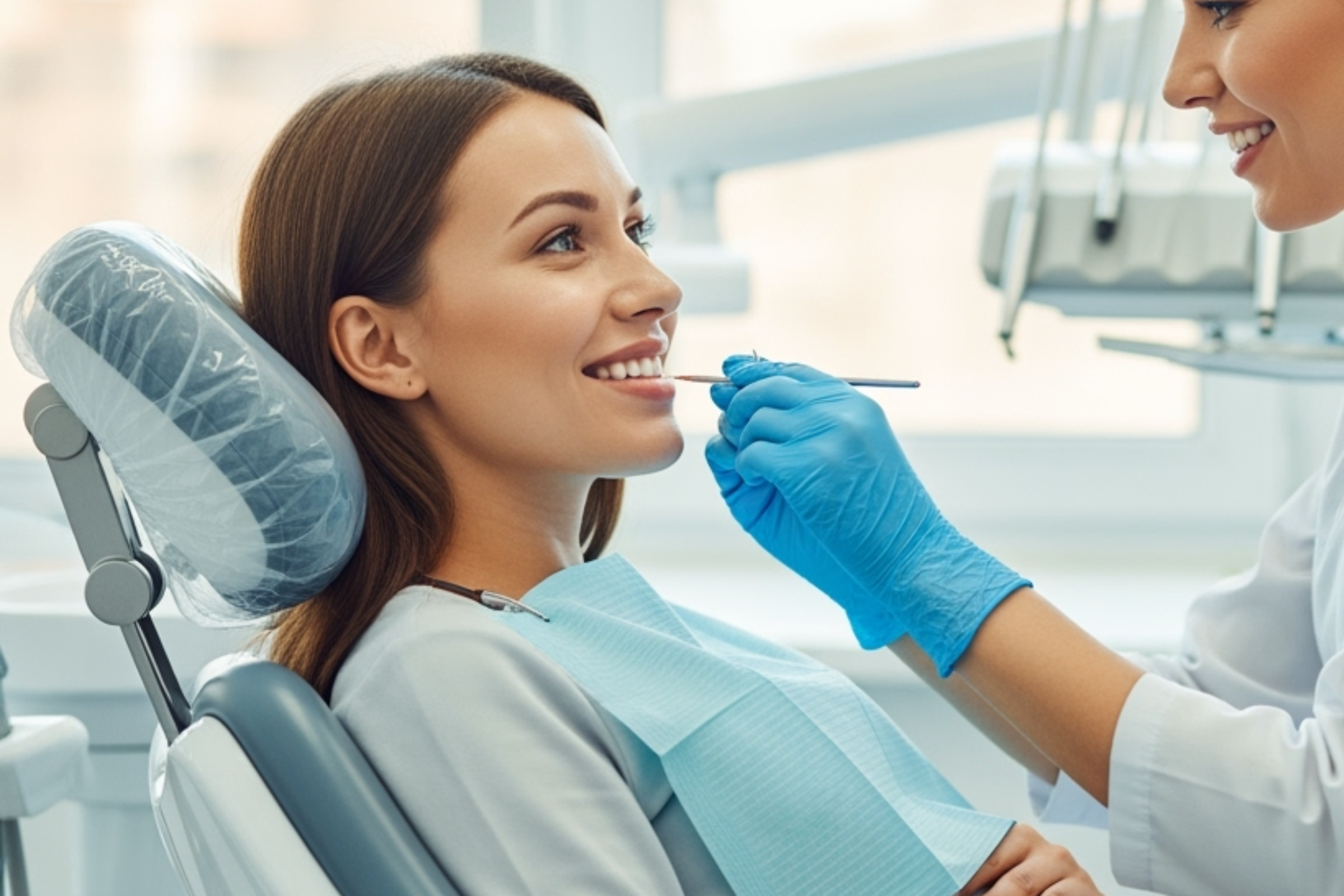
Regular dental visits remain crucial while you’re pregnant, but there are a few adjustments to ensure both your safety and your baby’s. Always let your dentist know you’re expecting—even if it’s early in your pregnancy—so they can tailor your care plan. Preventive exams and cleanings are not only safe but highly recommended during pregnancy. Addressing issues early means less risk of complications down the road.
If you need dental work, most routine treatments and necessary procedures (like fillings, extractions, or root canals) can generally be performed, with the second trimester often being the safest window. Elective or cosmetic treatments may be postponed until after delivery. Emergency dental care, such as to relieve pain or treat infection, should never be delayed, as untreated dental infections can have serious consequences for both you and your baby.
Dental X-rays are generally avoided during pregnancy unless absolutely necessary. If an X-ray is urgent, modern techniques and protective shielding minimize risks, but your dentist will weigh the benefits and only proceed if essential. Medication management is another important factor; always inform your dental team about all medications, vitamins, and supplements you’re taking. This helps ensure the safest choices for pain relief or antibiotics if needed. Your dental team’s experience and open communication are your best allies for navigating dental care during pregnancy safely.
Everyday Habits for Healthy Teeth and Gums During Pregnancy
A good daily routine goes a long way during pregnancy. Brushing at least twice a day with a fluoride toothpaste and a soft-bristle brush helps keep plaque in check and is gentle on tender gums. Flossing once a day is just as vital, as it removes plaque and food debris from places your brush can’t reach, reducing the chance of gum inflammation.
If you experience morning sickness, resist the urge to brush your teeth right after vomiting—doing so can damage enamel softened by stomach acids. Instead, rinse your mouth thoroughly with water or an alcohol-free mouthwash first, then wait at least 30 minutes before brushing. This simple step helps protect against further enamel erosion.
Cravings can be fierce, but opting for nutrient-rich, low-sugar snacks supports both your dental and overall health. If you do indulge in something sweet or acidic, try to rinse your mouth with water afterward if brushing isn’t practical. Consider including more dairy, crisp fruits, and vegetables in your snacks—they’re kinder to your teeth and provide important nutrients for your baby.
Ask your dentist about fluoride if your local water doesn’t contain it, as it strengthens enamel and helps prevent cavities. Staying hydrated, managing stress, and maintaining regular dental visits round out a lifestyle that supports a healthy smile throughout your pregnancy journey.
Caring for Your Smile After Baby Arrives: Postpartum and Long-Term Oral Health
Once your baby is born, it’s easy for your own needs to take a back seat—but don’t forget to care for your smile. Schedule a postpartum dental appointment to address any oral health changes or lingering issues from pregnancy. This visit is a chance for your dentist to check for gum problems, tooth decay, or other concerns that may have arisen, and to help get your oral health back on track.
If you experienced pregnancy-related gum problems, your dental team can offer guidance, treatments, or even refer you for specialized care if needed. Getting back into a strong brushing and flossing routine can be tough with a newborn, but even a few minutes a day makes a difference. Try to fit oral hygiene into your daily routine—perhaps while your baby naps or during quiet moments.
As a new parent, your own oral health also sets a powerful example for your growing family. Practicing preventive care now not only benefits you but also nurtures a healthy environment for your child as they begin their own dental journey. Remember, a healthy, confident smile is an asset for both you and your family—today and for years to come.