

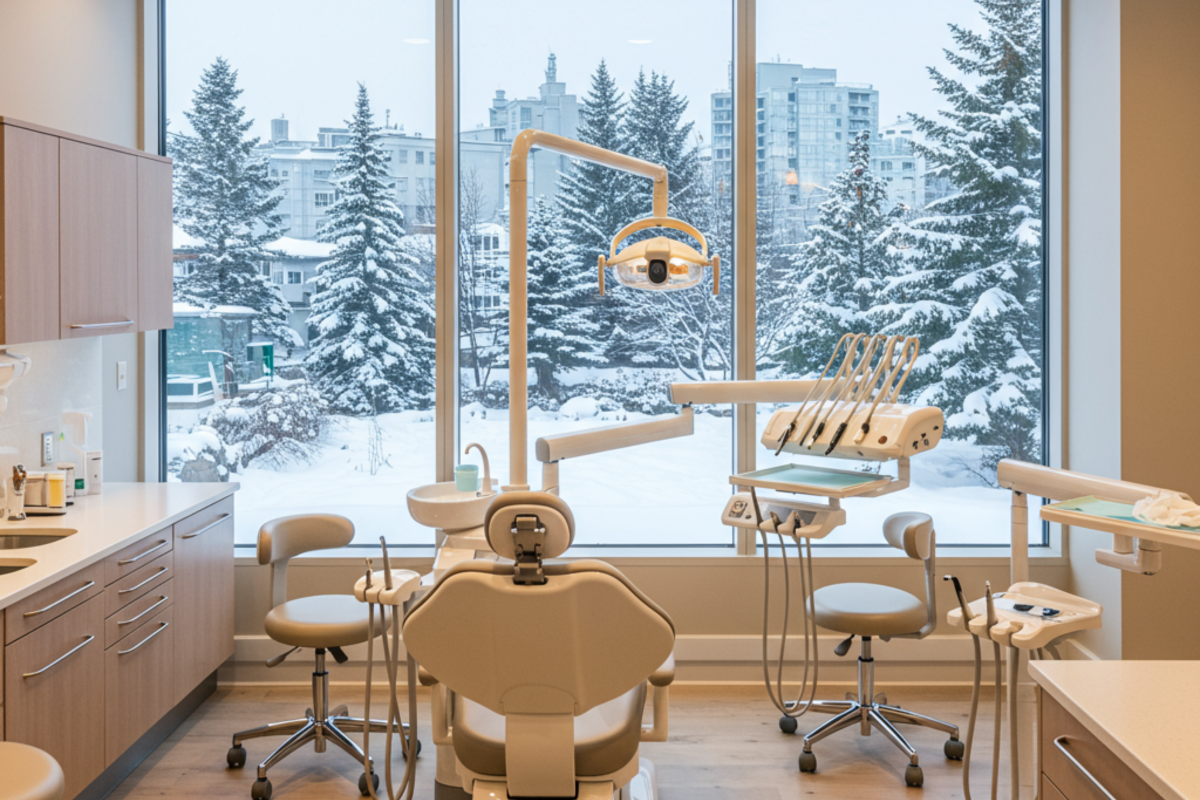
Why Winter Demands Special Oral Care
As the days grow shorter and temperatures drop, our bodies adapt to the winter chill in many ways—our oral health is no exception. The cold air, biting winds, and sudden shifts from warm indoor spaces to frosty outdoor environments can all take a toll on our teeth and gums. Winter often brings an uptick in oral sensitivity, with cold air and beverages provoking sharp, aching discomfort, especially for those with pre-existing dental issues.
Seasonal habits also play a crucial role. The holidays are synonymous with sweet treats and comfort foods, which can increase the risk of cavities and gum irritation. Additionally, the immune system is often under more strain during winter, which can make individuals more susceptible to outbreaks like cold sores.
Adapting your oral care routine for winter isn’t just about comfort—it safeguards your overall health. Dry air and dehydration can reduce saliva production, your mouth’s natural defense against bacteria. By making small, mindful adjustments to your daily habits, you can protect your smile from the unique challenges that winter brings, ensuring your oral health remains strong and resilient all season long.
Managing Sensitive Teeth During Chilly Months
For many, the arrival of winter means an unwelcome spike in tooth sensitivity. Cold air and icy drinks can elicit sharp, lingering pain, making simple activities like walking outdoors or enjoying a hot beverage less pleasant. This heightened sensitivity is often due to microscopic cracks in tooth enamel or receding gums, which expose the underlying dentin and nerve endings.
To minimize discomfort, try to avoid breathing in cold air through your mouth—opt for nasal breathing, or cover your mouth with a scarf when heading outside. When it comes to oral hygiene, select a toothpaste specifically formulated for sensitive teeth, as these products contain ingredients that help block pain signals to the nerves.
Using a soft-bristled toothbrush is essential; it cleans effectively while being gentle on gums and enamel, reducing the risk of irritation. For extra relief, rinsing your mouth with a warm saltwater solution can help soothe inflamed tissues and enhance oral hygiene.
Additionally, steer clear of highly acidic foods and beverages, like citrus fruits and sodas, which can erode enamel and worsen sensitivity. If you grind your teeth—something that can be exacerbated by nighttime stress or cold-induced tension—consider using a mouthguard to protect your smile while you sleep. With these targeted strategies, you can keep winter sensitivity at bay and enjoy the season with greater comfort.
Preventing and Treating Cold Sores Effectively
Cold sores, also known as fever blisters, are a common annoyance that can flare up more frequently during the winter months. The combination of cold weather, a weakened immune system, increased stress, and fatigue creates an ideal environment for the herpes simplex virus—the culprit behind these sores—to become active.
Prevention starts with understanding your personal triggers. Managing stress through relaxation techniques and ensuring adequate rest can help keep outbreaks at bay. Since winter can deplete your body’s defenses, supporting your immune system with a balanced diet, regular exercise, and proper hydration is key.
If a cold sore does appear, resist the urge to touch it. Touching or picking at a sore can transfer bacteria from your hands to your lips, potentially worsening the infection or causing it to spread. Instead, apply a medicated lip ointment or an over-the-counter topical treatment at the first sign of tingling or discomfort. These products can help reduce the severity and duration of the outbreak.
Maintaining lip health is also important—keep your lips moisturized and protected from the elements with a balm containing SPF. This not only soothes dry, cracked skin but also creates a barrier against harsh weather, helping to prevent future outbreaks. With proactive care and prompt treatment, cold sores need not disrupt your winter routines.
Combatting Chapped Lips: Hydration and Protection Strategies
Chapped lips are a hallmark of winter, caused by a combination of cold winds, dry air, and frequent temperature changes between indoors and outdoors. The thin, delicate skin on your lips lacks oil glands, making it especially vulnerable to dehydration and cracking.
The foundation of healthy lips in winter is proper hydration. Aim to drink at least 3 to 4 liters of water daily to maintain not only overall health but also to keep your skin and lips supple. Indoor heating can sap moisture from the air, so running a humidifier at home adds needed humidity and prevents lips from drying out overnight.
When it comes to lip care, choose a moisturizing balm that contains nourishing ingredients like shea butter, beeswax, or coconut oil. For added protection, select a product with SPF to shield your lips from harmful UV rays, which can still cause damage even on overcast winter days.
Remember to reapply lip balm regularly, especially before heading outdoors. Avoid licking your lips, as saliva evaporates quickly and can worsen dryness. Incorporate these simple strategies into your daily routine, and your lips will stay soft, smooth, and comfortable throughout the coldest months of the year.
Safeguarding Against Cavities Amidst Winter Sweets
The winter season is often synonymous with indulgence—holiday gatherings, festive desserts, and warm, sugary drinks abound. While these treats bring joy and comfort, they also pose a heightened risk of cavities. Sugars fuel the bacteria in your mouth, leading to acid production that can erode enamel and cause tooth decay.
To protect your teeth, maintain a diligent oral hygiene routine. Brush 2 to 3 times daily using fluoride toothpaste, and floss after every meal to remove plaque and prevent food particles from lingering between teeth. This is especially important with sticky or hard candies, which can be challenging to clean away.
Hydration plays a protective role as well. Drinking water throughout the day not only keeps you hydrated but also helps rinse away residual sugars and acids. For an extra boost, reach for foods that promote dental health—cheese, leafy greens, and fibrous fruits and vegetables are rich in calcium and help strengthen tooth enamel.
If you do indulge in sweets, try to do so during meals when saliva production is higher, as this helps neutralize acids more efficiently. By striking a balance between enjoyment and mindful care, you can savor the season’s delights while keeping cavities at bay.
Maintaining a Healthy Smile All Season Long
Winter brings its own set of challenges for your oral health, but with a few thoughtful adjustments, you can ensure your smile remains healthy and bright. To recap, combat tooth sensitivity by using specialized toothpastes and gentle brushes, and protect your lips and mouth from the elements with hydration and protective balms. Manage cold sores with early intervention and by supporting your immune system, and watch out for increased sugar intake during the holidays with vigilant brushing, flossing, and smart snacking.
Don’t underestimate the value of regular dental checkups, especially during winter. Professional cleanings and assessments can catch potential problems early, offer personalized advice, and give you peace of mind heading into the new year. For families, involve children in these routines and make oral care a fun, shared activity to build habits that last a lifetime.
Ultimately, prevention is the cornerstone of oral health—small, daily steps can prevent discomfort and more serious issues down the line. By staying proactive and attentive, you’ll be well-prepared to face winter’s challenges and keep your smile glowing all year round.