Dental emergencies have terrible timing. A tooth cracks during dinner, a child falls at the park, a dull ache turns into sharp pain at 2 a.m. In that moment, most people want one thing: to get to the dentist fast. That instinct is right, but what you do in the minutes before your appointment can matter a lot.
Some actions protect the tooth. Some reduce pain and swelling. A few common “home remedies” can actually make things worse. I’ve seen people rinse with hot water, place aspirin directly on the gums, or wrap a knocked-out tooth in tissue. All understandable. None helpful.
Here’s a practical guide to emergency dental care before you reach professional help.
First, figure out what kind of emergency you’re dealing with
Not every dental problem is an emergency, but some really are. If you have any of these, call a dentist right away:
-
A knocked-out tooth
-
A broken, loose, or displaced adult tooth
-
Heavy bleeding in the mouth that does not slow down
-
Severe swelling of the gums, face, or jaw
-
Intense tooth pain that keeps building
-
Signs of infection, especially swelling with fever or a bad taste in the mouth
-
Injury to the jaw or trouble opening and closing your mouth
-
A dental problem after trauma, like a sports injury or fall
Some issues can wait a day or two, but they still deserve prompt care. A lost filling, a chipped tooth without pain, or a broken denture usually falls into that category.
One important distinction: some dental emergencies belong in the emergency room, not the dental chair.
Go to the ER if any of this is happening
A dentist handles teeth, gums, and many mouth injuries. But if the problem affects breathing, the airway, or involves major trauma, head to the ER.
Go to urgent medical care now if you have:
-
Trouble breathing or swallowing
-
Rapidly growing facial swelling
-
Uncontrolled bleeding after 10 to 15 minutes of steady pressure
-
A suspected broken jaw
-
Head injury, loss of consciousness, or vomiting after facial trauma
-
Deep cuts that may need stitches
For everything else, a dentist is usually the right first call. If you’re trying to reach a Vancouver dental clinic after hours, listen carefully to the voicemail or emergency instructions. Many clinics have a system for urgent cases even when the office is closed.
The first five minutes matter
Before you focus on the specific injury, start with the basics.
Stay calm if you can. That sounds obvious, but panic makes people miss details. Sit upright. If there’s bleeding, use clean gauze or a clean cloth and apply firm pressure. Rinse gently with warm water if there’s dirt or blood in the mouth. If swelling has started, hold a cold compress on the outside of the cheek in 10-minute intervals.
If pain is the main problem, you can usually take an over-the-counter pain reliever if you normally tolerate it. Follow the label. Do not place aspirin or pain medicine directly on the tooth or gum. It can irritate or burn the tissue.
Now let’s get into the most common emergencies.
If a tooth gets knocked out
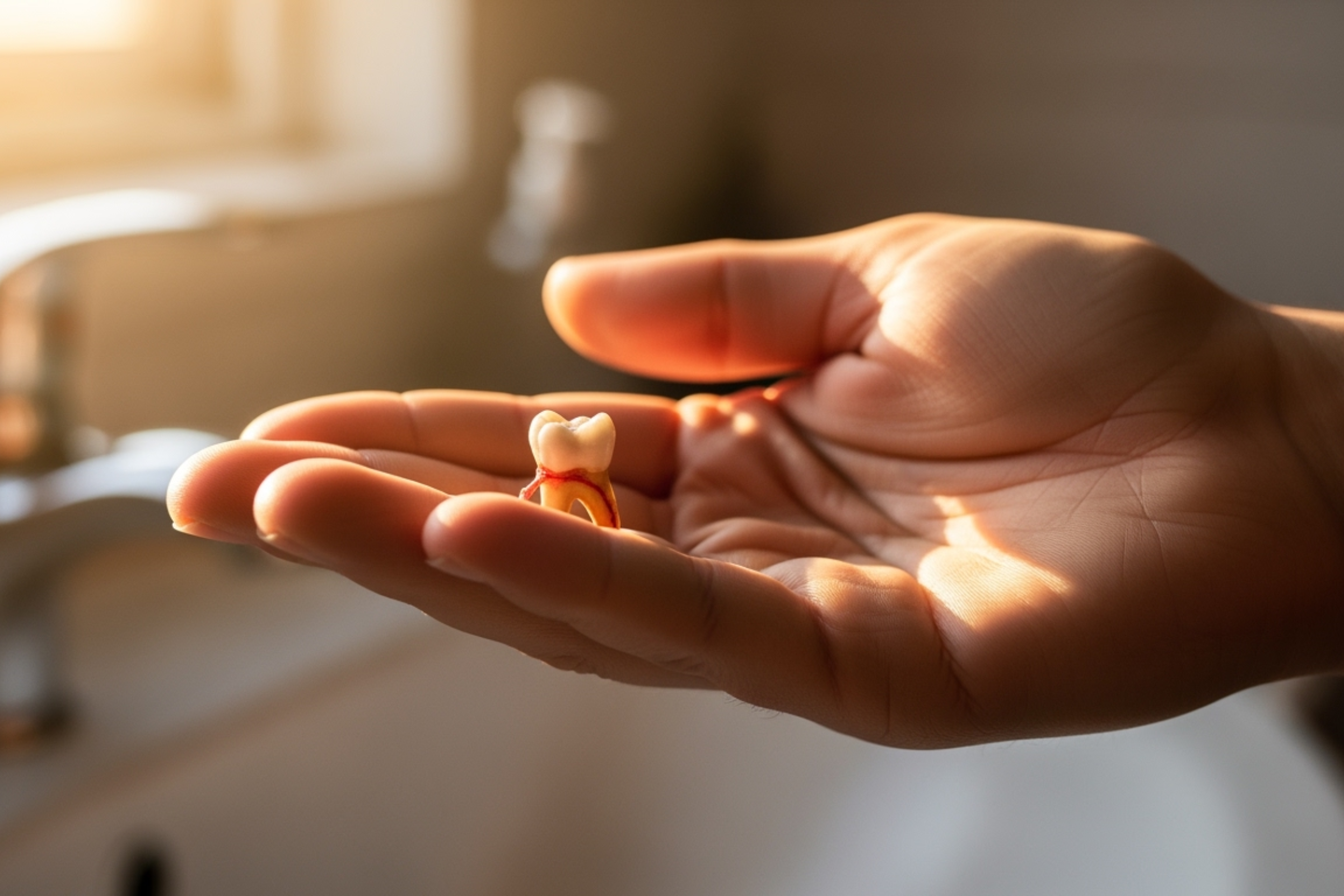
This is one of the few true dental emergencies where speed changes the outcome. An adult tooth has the best chance of being saved if it’s put back in place quickly, often within 30 to 60 minutes.
Here’s what to do:
-
Pick the tooth up by the crown, which is the part you normally see in the mouth.
-
Do not touch the root.
-
If the tooth is dirty, rinse it gently with milk or saline. If those aren’t available, use clean water briefly. Do not scrub it.
-
If possible, place the tooth back into the socket and bite gently on gauze or a cloth to hold it there.
-
If you cannot reinsert it, store it in cold milk, saline, or inside the person’s cheek if they are old enough not to swallow it.
-
Get to a dentist immediately.
Do not wrap the tooth in dry tissue. Do not soak it in mouthwash. Do not scrape the root clean.
This advice is for adult teeth. If a baby tooth gets knocked out, don’t try to put it back in. That can harm the developing adult tooth underneath. Call a dentist for guidance.
If a tooth is chipped, cracked, or broken
A small chip may not feel dramatic, but some cracks run deeper than they look. If the tooth is painful, sensitive to air or temperature, or has a sharp edge cutting your cheek or tongue, it needs quick attention.
Rinse your mouth gently with warm water. If you can find the broken piece, keep it and bring it with you. Apply a cold compress to the outside of the face if there’s swelling. If the edge is sharp, a small piece of sugar-free gum or dental wax can cover it temporarily.
Try not to chew on that side. Avoid very hot, very cold, or very sweet foods until the tooth is checked.
Treatment depends on how deep the damage goes. A minor chip may need smoothing or bonding, something often associated with cosmetic dentistry. A larger fracture may need a crown, root canal treatment, or extraction if the tooth cannot be saved.
If you have a severe toothache
Tooth pain is tricky because people often wait too long. A toothache can come from decay, infection, grinding, gum disease, a cracked tooth, or even food wedged between teeth.
Start simple. Rinse with warm salt water. Floss gently around the sore tooth in case something is trapped there. If the pain eases after flossing, that was probably the issue. If it doesn’t, don’t keep poking at it.
Use a cold compress on the outside of the face if swelling is present. Avoid lying flat if the pain throbs more when you recline. Again, do not put aspirin on the gum.
Call for emergency dental care if the pain is severe, constant, or comes with swelling, fever, pus, or a foul taste. Those signs can point to infection, and infections in the mouth are not something to “wait out.” They can spread.
Sometimes people assume the pain will end once the nerve “dies.” That may happen, but it is not good news. It can mean the infection is still there, just less noisy.
If the face or gums are swollen
Facial swelling gets my attention fast. Swelling can come from an abscessed tooth, gum infection, trauma, or a blocked salivary gland. If the swelling is paired with fever, difficulty swallowing, or feeling generally unwell, seek urgent care.
Before you get seen, use a cold compress on the outside of the face. Sip water. Stay upright. Do not place heat on the swelling. Heat can worsen inflammation and sometimes push an infection along.
If the swelling is clearly tied to a tooth, you may need drainage, antibiotics, or treatment such as a root canal or extraction. In more complex cases, oral surgery may be part of the plan. That part comes later. The first job is getting the problem evaluated quickly.
If a filling, crown, or bridge falls out
This is painful for some people and just annoying for others, but it still needs attention because the exposed tooth can be sensitive and more prone to further damage.
If a crown comes off, keep it. Rinse it gently. Some pharmacies sell temporary dental cement, and that can help hold a crown in place for a short time, but only if it fits easily. Never force it. If it won’t seat properly, leave it out and bring it to the appointment.
If a filling falls out, avoid chewing on that side. Brush gently. You can use temporary filling material from a pharmacy if needed.
Skip household glue. I wish that advice were unnecessary, but it isn’t.
If you bite your tongue, lip, or cheek
Soft tissue injuries bleed a lot because the mouth has a strong blood supply. They also look worse than they are, which can be alarming.
Rinse gently with water. Apply firm pressure with clean gauze or a cloth. Hold it there for 10 to 15 minutes without checking every 20 seconds. Use a cold compress outside the mouth to limit swelling.
If the bleeding won’t stop, the cut is deep, or the wound edges gape open, go to urgent care. You may need stitches.
If you think the jaw is injured
A blow to the face can injure the teeth and jaw at the same time. If the bite suddenly feels off, opening the mouth is painful, or the jaw looks uneven, treat it seriously.
Support the jaw gently with a towel or scarf if movement is painful. Apply a cold compress and go for immediate medical evaluation. A dentist may be involved later, especially if teeth were damaged, but a possible fracture belongs in urgent medical care first.
If braces or wires are causing a problem
People in orthodontic treatment run into their own version of dental emergencies. A loose bracket, a poking wire, or a shifted appliance can be painful but is rarely dangerous.
Use orthodontic wax to cover a wire that’s rubbing the inside of the mouth. If the wire has moved and wax isn’t enough, you may be able to gently push it back with a clean cotton swab or pencil eraser. Only do that if it moves easily. Don’t bend aggressively.
If a bracket comes loose but stays attached to the wire, leave it in place and call your dentist or orthodontic provider. If a piece comes completely off, save it and bring it in.
Orthodontic treatment changes how teeth move, so it’s worth getting advice sooner rather than later even when the problem seems minor.
What if the emergency involves a dental implant?
A dental implant won’t get a cavity, but the gum and bone around it can still become inflamed or infected, and the crown attached to it can loosen or break.
If an implant crown feels loose, avoid chewing on it. If there’s swelling, bleeding, or pain around a dental implant, call the dentist promptly. Don’t try to tighten anything yourself. Implant parts are precise, and a little DIY confidence can turn into a bigger repair bill fast.
What not to do in a dental emergency
People often remember the “do this” steps. The “don’t do this” list is just as useful.
Do not:
-
Put aspirin directly on the gum or tooth
-
Use super glue or household adhesives in the mouth
-
Scrub a knocked-out tooth
-
Ignore swelling with fever
-
Apply heat to facial swelling
-
Delay care because the pain comes and goes
-
Give young children remedies meant for adults without checking safety first
And one more thing. Alcohol is not a dental pain treatment. It doesn’t disinfect the problem in any meaningful way, and it can irritate tissues or interact badly with medication.
What to say when you call the dentist
A clear phone call can help the office triage the problem and tell you what to do next.
Be ready to explain:
-
What happened
-
When it happened
-
Whether there is bleeding, swelling, or a knocked-out tooth
-
Your current pain level
-
Whether you have fever, trouble swallowing, or trouble breathing
-
Any relevant medical conditions or medications
If you’re calling a general dentistry office, don’t worry about using the perfect wording. Just be specific. “My cheek is swelling and I can’t sleep from the pain” is more useful than “I think I need to be seen soon.”
What treatment might happen once you arrive
This part matters because people often imagine the worst. Emergency visits usually begin with pain control, an exam, and often X-rays. The dentist’s first goal is to stabilize the problem.
Depending on the cause, treatment may include draining an abscess, smoothing a broken tooth, placing a temporary restoration, reimplanting a knocked-out tooth, prescribing medication, or planning next steps. Some patients later need follow-up care through general dentistry, cosmetic dentistry, oral surgery, or replacement options such as dental implants.
If fear has kept you from going in, say so. A lot of adults avoid treatment because they’re scared, embarrassed, or both. Dental teams hear that every day. For patients with high anxiety, sedation dentistry may be discussed for later treatment, depending on the procedure.
A few simple ways to lower your odds of an emergency
Accidents still happen, but some dental emergencies are preventable.
Wear a mouthguard for contact sports. Don’t chew ice, popcorn kernels, or hard candies if you already have restorations or cracked teeth. Keep up with routine visits so weak fillings, hidden decay, and gum problems get caught early. If you grind your teeth, ask about a night guard. And if a tooth has been bothering you on and off for months, believe it. Teeth rarely heal by being ignored.
That’s where regular care really helps. General dentistry is less dramatic than emergency treatment, but honestly, that’s the point.
The bottom line
A dental emergency feels chaotic, but the first steps are pretty simple: stay calm, control bleeding, protect the tooth or injured area, reduce swelling, and get the right kind of help fast.
If the problem involves breathing, major trauma, or uncontrolled bleeding, go to the ER. If it’s a tooth, gum, or mouth injury without those red flags, call a dentist as soon as you can.
You do not need to diagnose the whole situation at home. You just need to avoid making it worse and buy the tooth, gum, or jaw the best chance of recovery. In a real emergency, that is more than enough.