

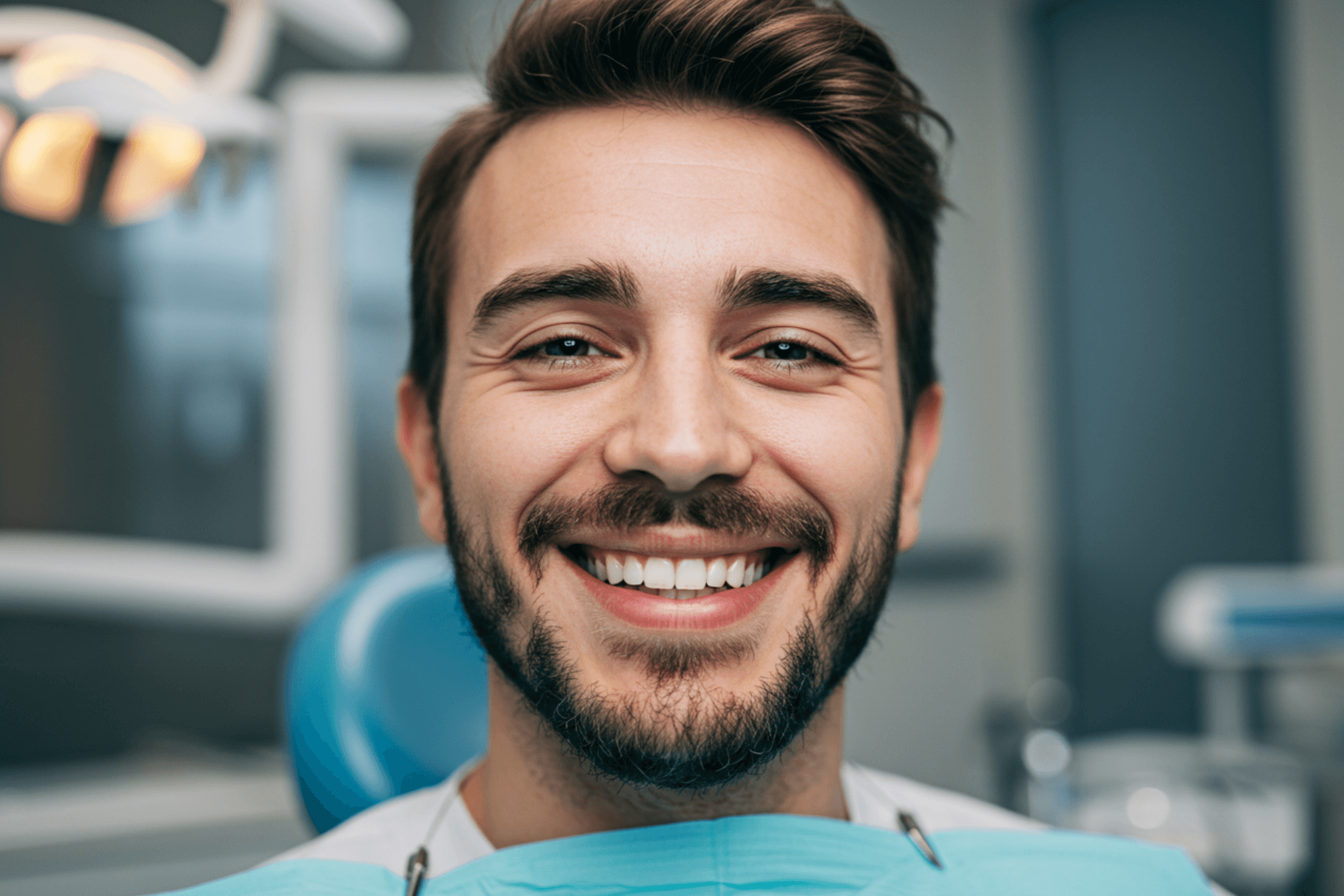
From Missing Teeth to Modern Smiles: How Dental Implants Fit Into Today’s Dentistry
Living with missing teeth can affect everything from the way you speak to the foods you enjoy and your willingness to smile. Fortunately, dental implants have revolutionized both general and cosmetic dentistry, providing a secure, natural-looking option for those seeking to restore their smiles. Unlike traditional dentures or bridges, which sit atop the gums or rely on adjacent teeth for support, dental implants are anchored directly into the jawbone. This integration creates a strong foundation that closely mirrors the function of a natural tooth root.
Dental implants are designed to blend seamlessly with your existing teeth, both in color and shape, so your smile looks and feels authentic. In modern dental practices, implants serve more than just an aesthetic purpose—they help maintain jawbone health by stimulating bone tissue, something that older methods like removable dentures cannot achieve.
Whether you need a single tooth replaced or a complete set, implants offer flexibility. General dentistry clinics now routinely offer this procedure as a long-term solution, and it has become a key part of many cosmetic dentistry treatment plans. For patients in Vancouver and beyond, dental implants mean more than just filling a gap; they can restore self-confidence, improve oral function, and support a healthier mouth for years to come.
The First Few Days After Dental Implant Surgery: Comfort, Soft Foods, and Healing
After dental implant surgery, your journey toward a renewed smile begins with a recovery phase focused on comfort and healing. Most people experience mild discomfort and some swelling around the implant site—these are normal responses as your body starts the healing process. Your dental team will provide instructions to minimize discomfort and prevent complications, making this period as smooth as possible.
One essential aspect is modifying your diet. Soft foods are recommended for at least the first 24 hours, but sometimes you may need to stick to this gentle approach for up to a week. Options like mashed potatoes, applesauce, smoothies, protein drinks, and smooth soups reduce stress on your healing mouth. Not only do these foods help protect the surgical site, but they also ensure you’re still getting essential nutrients during your recovery.
Following your dentist’s post-op instructions—such as avoiding straws, not smoking, and keeping up with gentle oral hygiene—can make a big difference in your comfort and the long-term success of the implant. Always take prescribed medications as directed and attend your scheduled follow-up appointments. With proper care and patience, most patients find the healing phase is shorter and more manageable than they expected.
Eating With Dental Implants: What (and How) You Can Enjoy Long-Term
One of the most rewarding aspects of dental implants is the freedom to enjoy a full range of foods without worry. Unlike dentures, which can slip or make chewing certain foods awkward, implants are anchored firmly into the jawbone. This integration gives them strength and stability similar to natural teeth, allowing you to bite into crisp apples, savor a cob of corn, or even tackle a steak with ease.
For those who have lived with missing teeth, bridges, or removable dentures, this restored functionality is often life-changing. Foods that once felt risky or off-limits—like crunchy almonds, chewy bread, or tacos—become part of your menu again. The security that implants provide means meals can be enjoyable, social experiences, without the fear of embarrassment from shifting teeth.
Maintaining a balanced diet benefits not just your overall health but also your implants. While dental implants are resilient, it’s still wise to use common sense: avoid chewing ice cubes or hard, non-food objects, and continue to choose foods that support oral health. Drinking plenty of water, limiting sugary snacks, and favoring nutrient-rich choices all help ensure your implants—and your natural teeth—last for years to come.
Smiling, Speaking, and Confidence: How Dental Implants Look and Feel in Everyday Life
Dental implants are designed to blend in so naturally that most people will never notice you’ve had dental work done. Each implant crown or bridge is custom-crafted to match the color, size, and shape of your existing teeth, ensuring a seamless smile. Unlike traditional dentures, which sometimes appear artificial or can slip out of place, implants stay put and look incredibly lifelike.
The benefits extend beyond just appearance. Because implants are fixed securely, they support clear speech and natural movement of the mouth. Many patients report feeling more at ease in social situations, no longer worrying about their teeth shifting, clicking, or falling out mid-conversation. This boost in self-assurance often inspires a renewed willingness to engage in social activities, laugh, and smile confidently.
Over time, the presence of dental implants becomes second nature. You’ll likely forget they’re even there—until you receive a compliment on your beautiful smile. For those who have struggled with missing teeth or uncomfortable restorations, this newfound confidence can be transformative, positively affecting personal and professional relationships alike.
Caring for Dental Implants: Oral Hygiene, Checkups, and Long-Term Success
While dental implants are highly durable and resistant to decay, they require the same level of care as natural teeth for long-term success. Daily oral hygiene remains non-negotiable: brush at least twice a day using a soft-bristled toothbrush and low-abrasive toothpaste to avoid scratching the implant’s surface. Flossing is equally important, as it helps remove plaque build-up between the implant and neighboring teeth, reducing the risk of gum inflammation.
Incorporate professional dental cleanings and routine checkups into your schedule. Even though implants themselves cannot get cavities, the surrounding gum tissue and underlying bone need to stay healthy. Plaque and tartar can still lead to conditions such as peri-implantitis—a gum disease similar to periodontitis that can threaten the stability of your implant.
Your dental team will provide guidance on the best tools and techniques for at-home care, such as using interdental brushes or water flossers. With attentive daily maintenance and regular professional evaluations, dental implants can last many years—often a lifetime. This commitment not only protects your investment but also supports overall oral and systemic health, helping you keep your smile bright and functional for decades to come.