

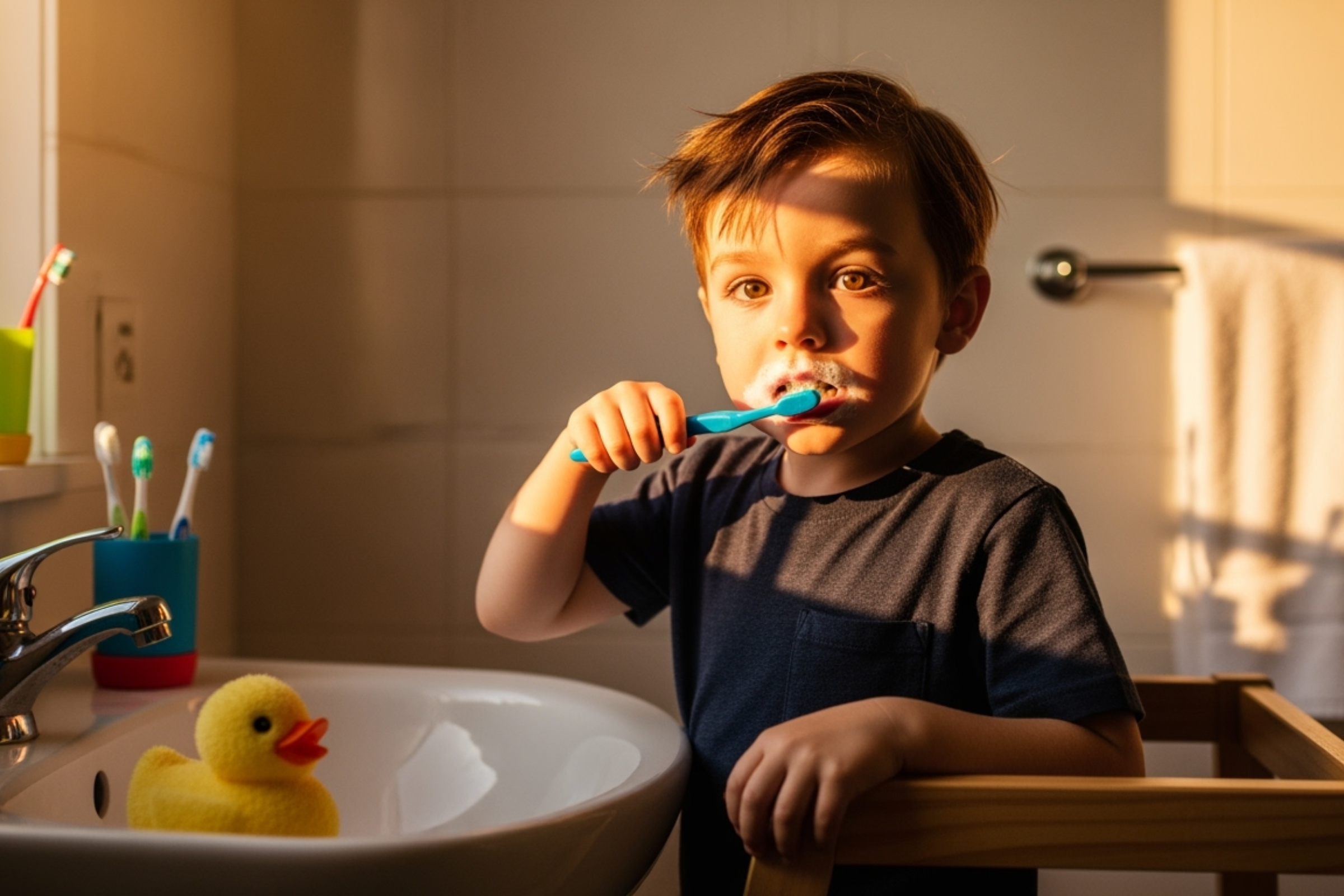
February puts children’s oral health in the spotlight, and honestly, that’s useful. Parents are busy. Kids are busy. Teeth can feel like one more thing to manage between school lunches, bedtime battles, and trying to get everyone out the door with matching shoes.
But this topic deserves the attention.
National Children’s Dental Health Month is a good reminder that healthy smiles usually do not happen by accident. They come from small routines done over and over: brushing when nobody feels like it, keeping sugary drinks in check, showing up for checkups, and catching little problems before they turn into big ones.
The good news is that children do not need a perfect routine to have healthy teeth. They need a consistent one. Early prevention, regular dental visits, and a few smart habits at home go a long way toward lowering the risk of cavities and helping kids feel comfortable with dental care for years to come.
Why early dental care matters more than many parents think
A lot of people still think baby teeth are temporary, so they matter less. I get why that idea sticks around. If the teeth will fall out anyway, why worry so much?
Because those teeth do real work.
Baby teeth help children chew, speak clearly, and hold space for adult teeth. When they become decayed or painful, the effects spill into daily life fast. Kids may avoid certain foods, sleep poorly, struggle to focus in class, or feel embarrassed to smile. A sore tooth can make a cheerful child miserable in a way that feels sudden and unfair.
There’s also the habit piece. Children learn routines early, and those routines tend to stick. A child who grows up brushing twice a day, going to regular checkups, and seeing oral care as normal is in a very different position from a child who only gets dental attention when something hurts.
That is why early care matters. It is not about chasing perfection. It is about making oral health feel ordinary, manageable, and part of everyday life.
Cavities are common, and they do not always announce themselves
Tooth decay is one of the most common health issues in children. That may sound dramatic, but it is true, and cavities often start quietly. There may be no complaint at first. No obvious swelling. No tears at dinner. Just a small weak spot in the enamel that keeps growing.
The usual suspects are familiar: frequent sugary snacks, juice or sweet drinks, sticky foods that cling to teeth, and brushing that is rushed or skipped. Kids are not doing this to sabotage their own mouths. They are children. If given the option, many would cheerfully live on crackers, fruit snacks, and chocolate milk.
That is where adults come in.
The goal is not to ban every treat. That usually backfires anyway. The better move is to pay attention to how often sugar shows up during the day and what happens after. Teeth handle occasional sweets better than constant grazing. A cookie eaten with lunch is usually less of a problem than a sticky snack nibbled over an hour and followed by no brushing.
Parents should also know that cavities are not just about “bad brushing.” Some kids have deep grooves in their molars that trap food easily. Some breathe through their mouths and get dry mouth. Some are still learning coordination and simply cannot brush well without help. None of that is a moral failure. It just means prevention has to be practical.
What a healthy mouth gives children beyond clean teeth
Oral health connects to more than the mouth. That sounds obvious, but it is easy to forget until a child is dealing with pain.
When teeth and gums feel good, children eat better, sleep better, and speak with more confidence. They are less likely to miss school for preventable dental problems. They are also less likely to feel nervous about smiling or talking with friends.
Confidence might seem like a soft benefit compared with cavity prevention, but I would not dismiss it. A child who feels comfortable smiling in photos, reading out loud, or laughing without covering their mouth is carrying something valuable. You can’t always measure it on a chart, but it matters.
Why regular dental checkups are worth it even when nothing seems wrong
A checkup is not just a search mission for cavities. It is part screening, part coaching, and part relationship-building.
Dentists and hygienists can spot early signs of decay, gum irritation, enamel wear, crowding, and bite issues before those problems become expensive or painful. They can also show children how to brush and floss more effectively. That matters because plenty of kids think they are brushing well when they are really just moving toothpaste around for 27 seconds and calling it a day.
Routine visits help in another way too: they make the dental office feel normal. A child who only sees a dentist during pain or an emergency dental care visit may start associating dental care with fear. A child who comes in for regular, calm appointments learns that checkups are just another part of staying healthy.
For many families, these visits fall under general dentistry, but children often benefit from a dentist who is comfortable working with younger patients and explaining things in kid-friendly language. If you are searching for a Vancouver dental clinic or any local office, it is worth asking how they help children feel at ease during preventive visits.
Making brushing less of a struggle at home
This is the part where advice often gets too neat. “Make brushing fun” is technically good advice, but in real life some kids still act like the toothbrush is a personal insult.
So let’s make it concrete.
A simple routine often works better than a complicated one:
-
Let your child pick the toothbrush. Color matters more than adults think.
-
Brush at the same times every day, usually morning and bedtime.
-
Brush together when possible so your child can copy what you do.
-
Use a two-minute song, timer, or short playlist.
-
Help or supervise longer than you think you need to.
That last point is big. Young children usually do not have the hand skills to brush thoroughly on their own. They may want independence, which is great, but many still need an adult to finish the job or check their work.
It also helps to keep the mood steady. If brushing turns into a nightly showdown, the routine becomes the enemy. A calmer approach works better: “We brush, then story time.” “We brush, then bed.” Predictable beats dramatic.
Some families like sticker charts. Others use a silly song. Some make brushing a race against a timer. I have mixed feelings about turning everything into a performance, but if it gets the job done without tears, fair enough.
Flossing, yes, even for kids
Flossing tends to get ignored because brushing already feels like enough. Still, once a child’s teeth touch each other, a toothbrush cannot clean those tight spaces well.
That does not mean you need to create a second daily battle if your evenings are already hanging by a thread. Start small. Even a few nights a week is better than never, then build toward consistency. Floss picks can be easier for some families than string floss, especially when tiny mouths and limited patience are involved.
The point is simple: cavities often form between teeth where nobody can see them.
Food and drink habits that protect teeth without making meals miserable
Parents hear a lot about sugar, and sometimes the message gets flattened into “never let your child eat anything fun again.” That is not realistic.
A better approach is to think about frequency, texture, and timing.
Sticky foods cling to teeth. Sipping sweet drinks over long stretches gives sugar repeated contact with enamel. Bedtime juice or milk after brushing is a common trouble spot. If teeth are cleaned and then coated in sugar again before sleep, the mouth gets a long quiet window for decay to get started.
A few habits make a real difference:
-
Offer water often, especially between meals.
-
Keep sweets with meals rather than as constant snacks.
-
Limit sugary drinks, including juice and sports drinks.
-
Choose snacks that do not cling to teeth as easily.
-
Avoid sending children to bed after brushing with anything but water.
None of this requires perfection. Birthday cake exists. Holidays exist. Grandparents exist. The goal is not zero sugar. It is fewer repeated sugar exposures and a routine that resets the mouth afterward.
Preventive treatments can make a real difference
Home care matters most, but professional prevention adds another layer of protection.
Two common options are fluoride treatments and dental sealants.
Fluoride helps strengthen enamel and makes teeth more resistant to decay. Many children benefit from it, especially if they are cavity-prone or still mastering brushing.
Sealants are thin protective coatings placed on the chewing surfaces of molars. Those teeth often have deep grooves that trap food and bacteria. Sealants help block that buildup in spots a toothbrush may miss. Parents sometimes hear “coating” and worry it sounds extreme. It is actually a pretty straightforward preventive step for many kids.
These treatments are worth discussing during regular appointments. They are much easier than dealing with fillings later.
When anxiety gets in the way
Some children stroll into dental appointments like they own the place. Others tense up the second they see the chair. Both reactions are normal.
Fear can come from the unknown, from a previous painful experience, from sensory sensitivity, or just from having a strong imagination. Telling an anxious child “there’s nothing to worry about” rarely solves much. Preparation works better.
Try using simple, calm language. Avoid scary words. Do not promise that nothing will feel strange if you are not sure. Kids notice that stuff. It is better to say, “The dentist is going to count your teeth and make sure they’re healthy,” or “They’ll clean your teeth and show us how to keep them strong.”
Some children with high anxiety, special healthcare needs, or extensive treatment needs may benefit from sedation dentistry. That is a conversation for a dentist and parent to have together based on the child’s age, medical history, and the kind of care needed. It is not for every child, but for the right situation, it can make treatment more manageable and less traumatic.
A quick word about orthodontic treatment and other dental issues
Children’s oral health is not only about cavities. Checkups also help track how teeth are coming in, whether jaws are developing well, and whether crowding or bite problems are starting to show up.
That does not mean every child needs braces early. It just means timing matters. In some cases, orthodontic treatment is easier when issues are noticed before all the adult teeth erupt.
Parents sometimes ask about things far down the road too, like cosmetic dentistry, oral surgery, or even dental implants. For children, those are usually not the focus. The focus is healthy growth, strong teeth, and preventing problems in the first place. Still, early care helps protect long-term oral health and may reduce the need for more complex treatment later in life.
When to call sooner instead of waiting for the next checkup
Sometimes the right move is not “watch and wait.”
Call a dentist if your child has ongoing tooth pain, swollen gums, sensitivity that keeps coming back, white or brown spots on teeth, bleeding that does not improve, or trouble chewing on one side. If a tooth is chipped, knocked loose, or knocked out after a fall or sports injury, that needs prompt attention.
This is where emergency dental care becomes important. Kids fall. They collide with coffee tables. They launch themselves off furniture with confidence that physics does not support. Fast care can make a real difference after dental injuries.
The point of Children’s Dental Health Month is not February
This month is a prompt, not the whole plan.
A healthy smile is built in the middle of regular life, in those plain repetitive moments that do not look impressive from the outside. Brushing when everyone is tired. Choosing water more often. Booking the checkup before the calendar fills up. Asking about fluoride or sealants if your child keeps getting cavities. Showing kids that dental care is just part of how a family takes care of itself.
If your child’s routine has been a little uneven lately, you are not alone. Start with one fix. Maybe it is brushing together at night. Maybe it is cutting the bedtime juice habit. Maybe it is scheduling the appointment you have been meaning to make for months.
That is enough. Seriously.
Children do not need parents who get every detail right. They need adults who keep returning to the basics, keep paying attention, and get help when something seems off. That is how healthy habits become lifelong ones, and how small daily choices turn into strong, confident smiles.