

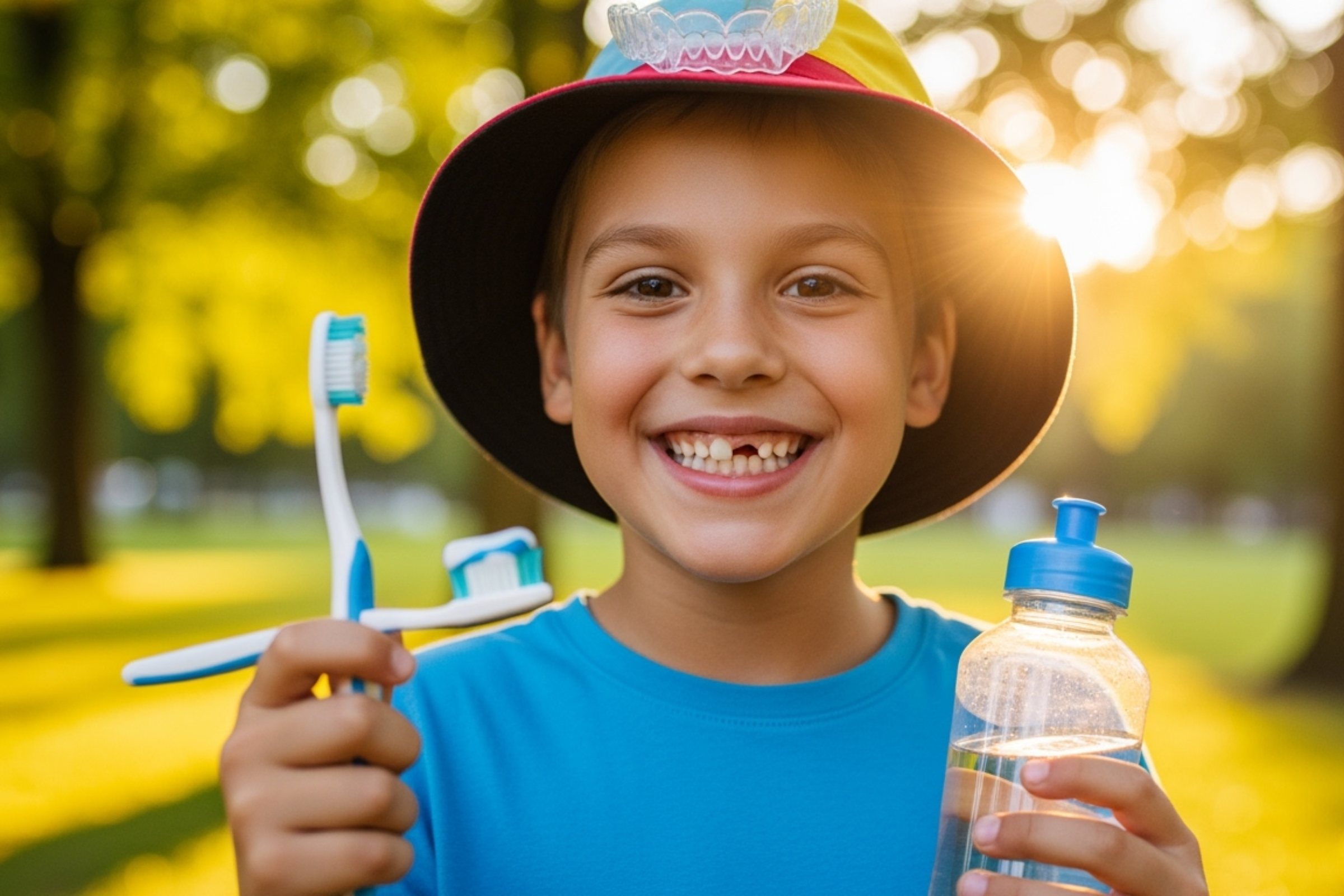
Summer does funny things to family routines. Bedtimes slide later. Breakfast happens in the car. Kids bounce between camps, parks, sleepovers, and sports. It’s fun, mostly. It can also be the season when brushing gets rushed, floss gets forgotten, and snack choices start looking a little too sticky and sweet.
That’s why I like thinking about summer as a reset, not a break, for oral health. The basics still matter. Maybe they matter more, because the season adds more chances for cavities, dehydration, and sports injuries. The good news is that prevention at home does not need to be complicated. A few simple habits can save families a lot of hassle later.
If you want the short version, here it is: keep the routine, cut back on sugar, use mouth guards, and book dental visits early. Those four moves do a lot of work.
Why summer is a good time to build better habits
There’s a common assumption that healthy teeth are mostly about the dental office. They aren’t. Regular checkups matter, of course, and general dentistry is built around prevention for a reason. But the daily choices at home are what shape most of a child’s oral health.
Summer gives parents and caregivers a chance to pay attention to those choices. School-year mornings can feel like controlled chaos. In summer, even with camps and travel, there’s often a little more room to set up systems that actually stick.
That matters because habits formed now tend to carry into fall. A child who learns that brushing happens before breakfast or right after pajamas go on is less likely to argue about it later. A family that keeps water bottles packed and sugary drinks occasional usually finds that routine easier to maintain once school starts again.
This is also a good moment to remind kids that a healthy smile is not just about appearance. People often think of teeth in terms of cosmetic dentistry, straightness, or whiteness. For children, the bigger goal is much simpler: strong teeth, healthy gums, fewer cavities, and fewer avoidable injuries.
1. Keep the routine, even when the schedule changes
This one sounds obvious, but it’s the first thing that falls apart in summer.
When the day starts earlier for camp or ends later after a barbecue, brushing can turn into a quick swipe, or disappear entirely. Flossing is even easier to skip. The trouble is that plaque does not care whether school is out. Sugar, bacteria, and acid keep doing their thing every day.
Kids should still brush twice a day with fluoride toothpaste and floss once a day. That’s the baseline. If your child is old enough to brush alone, it still helps to supervise now and then. Plenty of children are “independent” brushers in the same way they are “independent” room cleaners. The confidence is there. The results, sometimes less so.
One practical fix is to anchor oral care to things that happen no matter what. For example, brushing can happen after breakfast and before bed, even if the rest of the day shifts around. Flossing can be tied to bedtime stories, pajamas, or screens being turned off.
A simple brushing chart also works better than many parents expect. It does not need to be fancy. A sheet on the fridge with boxes to check off is enough. Younger kids may like stickers. Older kids may prefer earning points toward something small like choosing the family movie, picking dessert one night, or staying up 15 extra minutes on the weekend. The goal is not to turn brushing into a major negotiation. It’s to make the habit visible.
If you’re traveling, pack a small oral care kit instead of assuming you’ll remember everything. Toothbrush, toothpaste, floss, and a spare. That little bit of planning makes a difference when you get home late and everyone is tired.
Ignoring the routine for a few weeks can create problems that show up later. Cavities do not usually appear overnight, but inconsistent brushing and flossing can speed things along. What would have been a small, preventable issue can turn into a filling, tooth pain, or a more stressful visit. And routine care is almost always easier on kids than emergency dental care after something starts hurting.
2. Watch the steady drip of sugar
Most parents already know that candy is bad for teeth. Summer oral health problems are often less about obvious candy and more about constant low-level sugar through the day.
Think about the typical grab-and-go snacks that show up at parks, camps, and road trips: fruit snacks, cookies, granola bars, crackers, sweetened yogurt tubes, juice boxes, sports drinks. Some are marketed as kid-friendly or active-kid fuel. Teeth don’t care about the marketing. What matters is how often sugars hit the teeth and how long they stick around.
That “all day snacking” pattern is rough on enamel. Every time sugar is consumed, bacteria in the mouth produce acids that weaken tooth enamel. If kids keep sipping juice or snacking on sticky foods over several hours, their teeth spend more time under acid attack and less time recovering.
The better move is to think in terms of fewer sugar exposures, not perfection. You do not need to ban every treat. That usually backfires anyway. It’s more realistic to save sweeter foods and drinks for occasional moments rather than making them the default travel snack.
Tooth-friendlier options are refreshingly simple: apple slices, cheese cubes, grapes, plain yogurt, nuts when age-appropriate and safe, cucumbers, whole-grain crackers, and other foods that are less sticky and less sugary. Cheese, in particular, is a nice one because it doesn’t cling to teeth the way chewy snacks do.
Water deserves its own paragraph. For active kids in warm weather, water is usually the best drink. Keep it close. Pack it before you pack snacks. A reusable bottle in the car, stroller, backpack, or sports bag removes a lot of decision-making. Juice and sports drinks are easy to lean on in summer, but they expose teeth to sugar and acid at the same time. That’s a bad combination.
If your child does have a sugary drink, it’s better to have it with a meal instead of sipping it slowly for hours. Then switch back to water. Small habit, big effect.
There’s also a long-game reason to care about this. Protecting natural teeth early matters. No family wants to deal with serious decay later, and preserving healthy teeth is always easier than replacing what has been lost. For adults, extensive dental damage can eventually lead to major treatment, even dental implants in severe cases. That feels far away when you’re packing a cooler for the splash park, but prevention now is still the easier path.
3. Say yes to mouth guards, especially for sports
This is the tip families skip until they have a scary story.
Summer sports are great for kids. They also come with a real risk of dental injuries. Falls, elbows, balls, collisions, and bike accidents can lead to chipped teeth, broken teeth, cuts to the lips, and injuries below the gumline that are harder to see. Kids in soccer, football, basketball, baseball, skateboarding, and other active sports all have some level of risk.
A mouth guard helps absorb and spread out the force of an impact. It is not magic, but it lowers the chance of serious injury. That matters even more for children and teens in orthodontic treatment. Braces add another hard surface inside the mouth, which means a hit can damage teeth and soft tissues more severely.
The best mouth guard is the one your child will actually wear. A bulky, uncomfortable guard that stays in the sports bag is useless. If your child complains that it feels awkward, listen to that. Fit matters. For some families, a store-bought option works fine. For others, especially kids with braces or unique bite issues, asking a dental professional about fit is worth it.
Parents often think of helmets first, and they should. But mouth guards deserve the same automatic status for contact sports and high-impact activities. If your child is old enough to put on shin guards or cleats, they’re old enough to learn that mouth guard use is part of the routine too.
And if an injury does happen, don’t wait around hoping it settles down. A chipped or knocked tooth, bleeding that doesn’t stop, swelling, or significant pain needs prompt attention. That is where emergency dental care comes in, and timing can affect the outcome. Some dental injuries can be managed much better when they are treated quickly.
4. Book back-to-school dental visits before the calendar fills up
This tip is not glamorous, but it may be the one that saves the most stress.
By late summer, many families realize at the same time that they need checkups before school starts, before sports begin, or before benefits reset later in the year. Appointment spots that looked wide open in early summer suddenly get harder to find. If your child is due for a routine exam and cleaning, booking ahead is smart.
There’s another advantage to early scheduling. If the visit uncovers a cavity, a sealant need, an issue with brushing technique, or a sports-related concern, you still have time to deal with it before the school-year rush. The same goes for children in orthodontic treatment, who may need summer planning around adjustments, appliances, or sports protection.
Routine visits also tend to be much easier for anxious kids than waiting until there is a problem. When pain enters the picture, fear usually rises with it. Preventive appointments help kids get used to dental care in a calmer setting. In some situations, children with high anxiety or special care needs may need extra support, and sedation dentistry may be part of that conversation with a dentist. But many worries can be reduced simply by not waiting until a small issue becomes a big one.
For families trying to coordinate everything before September, this is one of those tasks worth doing now rather than promising yourself you’ll remember later. If you usually see a Vancouver dental clinic for family care, summer is a good time to check due dates and get on the schedule before it gets crowded.
A few small swaps that make a real difference
Parents often assume healthy oral care changes need to be huge. They don’t. In practice, the most useful changes are boring, repeatable ones:
-
Put toothbrushes where kids can reach them easily.
-
Keep floss picks or floss close to the bedtime routine.
-
Pack water first, snacks second.
-
Choose less sticky snacks for outings.
-
Make the mouth guard part of the sports bag checklist.
-
Book preventive visits before school planning takes over.
That’s it. No dramatic overhaul. Just fewer chances for things to slide.
Summer Smile Checklist
If you want an easy family reset, start here:
-
Brush twice a day and floss once a day.
-
Use a brushing chart or simple reward system.
-
Bring water on outings and keep sugary drinks occasional.
-
Pack snacks like apples, cheese, grapes, or nuts when appropriate.
-
Make sure kids wear mouth guards for contact sports.
-
Check that children with braces have proper protection.
-
Schedule back-to-school dental visits early.
You could even post this on the fridge for June, July, and August. Sometimes a visible reminder is enough.
The bigger picture: prevention is easier than repair
Summer dental advice can sound a little fussy until you’ve dealt with the alternative. A cavity at the end of August. A chipped front tooth after a weekend game. A child with braces and a split lip after a fall. None of these situations are rare, and most families would prefer to avoid them if they can.
That’s really what these four tips are about. They aren’t about being strict or making summer less fun. They’re about keeping the fun from coming with preventable dental problems attached.
Healthy summer smiles come from pretty ordinary things: consistency, water, smart snacks, protection during sports, and a little planning. I like that. It means families do not need a perfect summer to protect their kids’ teeth. They just need a routine that can survive real life.
If you do one thing this week, make it something concrete. Print a brushing chart. Refill the water bottles. Check the sports bag for a mouth guard. Book the dental visit before you forget. Small steps count, especially when you repeat them often.