

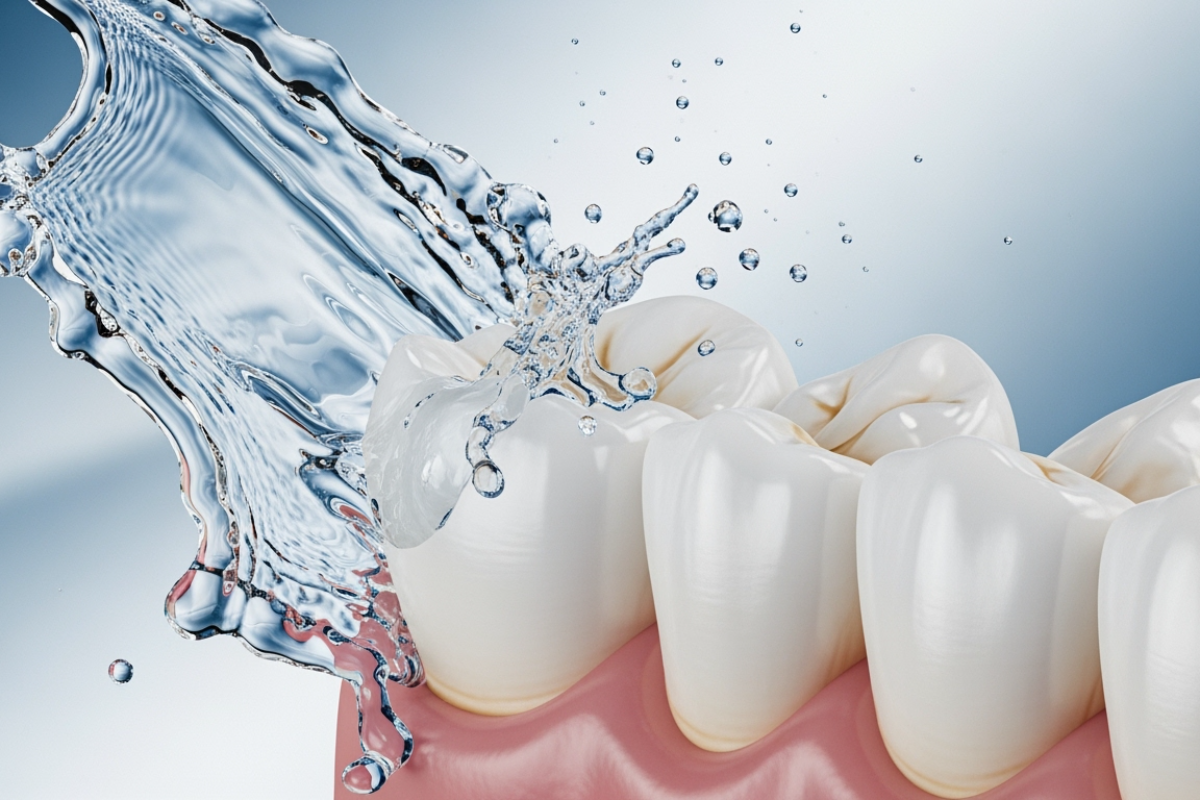
That quick sting when you sip iced water or bite into something sweet can feel strangely dramatic. One second you’re fine, the next you’re wincing over something as ordinary as coffee or fruit.
Sensitive teeth are common, but they are not random. In most cases, there is a clear reason behind the pain, and once you find the reason, treatment gets much more straightforward.
The short version is this: tooth sensitivity usually happens when the inner part of the tooth, called dentin, loses its protection. That can happen because enamel wears down, gums recede, a tooth cracks, or decay starts to form. Stress, diet, and brushing habits often make things worse, sometimes without people realizing it.
Here’s what’s really going on, what you can do at home, and when it’s time to get professional help.
What tooth sensitivity actually is
Dentists often call sensitive teeth dentin hypersensitivity. That sounds technical, but the idea is simple.
Under your enamel is dentin, a layer filled with tiny channels that connect to the tooth’s nerve. When enamel thins out, or when the root becomes exposed because the gums pull back, those channels are easier to trigger. Cold, heat, sweetness, acidity, touch, even a toothbrush can set off a short, sharp pain.
It’s usually fast and intense rather than dull and lingering. That detail matters. A quick zap often points toward sensitivity. A throbbing toothache that doesn’t let up can suggest decay, infection, or another problem.
Sensitivity is sometimes brushed off as a minor annoyance. I think that’s a mistake. It may start small, but it often points to wear, inflammation, grinding, gum recession, or a cavity that needs attention.
Why teeth become sensitive
There isn’t one cause. There are several, and they often overlap.
Enamel erosion
Enamel is the tough outer layer of the tooth, but it is not indestructible. Acid wears it down over time. So does friction.
Common culprits include:
-
frequent soda, sports drinks, citrus, wine, or vinegar-heavy foods
-
brushing too hard
-
using a hard-bristled toothbrush
-
grinding or clenching your teeth
-
general wear over the years
A lot of people think only sugar damages teeth. Sugar matters because it feeds cavity-causing bacteria, but acidity is its own issue. Even sugar-free acidic drinks can soften enamel.
Gum recession
If your gums recede, the root surface becomes exposed. Roots do not have the same enamel protection as the crown of the tooth, so they tend to be much more sensitive.
Gum recession can happen because of:
-
periodontal disease
-
aggressive brushing
-
long-term inflammation from plaque buildup
-
clenching and grinding
-
natural anatomical differences
Sometimes people are doing what they think is “good brushing” when they are actually scrubbing their gumline raw. More pressure does not mean better cleaning. Usually it means more damage.
Cracks, chips, and worn teeth
A small crack can create a very specific kind of sensitivity. You may notice pain when biting, when releasing pressure, or when cold hits one spot.
Chips, worn edges, and old dental work that no longer seals well can expose dentin too. Even tiny defects can cause a surprisingly sharp reaction.
Cavities and broken teeth
Sensitivity is sometimes the first clue that a cavity has moved past the surface. It can also show up when a filling leaks, a tooth breaks, or the root becomes irritated.
This is why persistent sensitivity deserves a proper exam. The symptom is familiar, but the cause is not always harmless.
Recent dental treatment
Teeth can be temporarily sensitive after fillings, crowns, deep cleanings, whitening, or other procedures. This kind of sensitivity often settles down, but not always.
Whitening is a good example. It can work well, and it’s common in cosmetic dentistry, but temporary sensitivity afterward is not unusual. The same goes for some restorative procedures. Mild, short-term sensitivity can be normal. Severe or lingering pain should be checked.
Stress and grinding
This part gets overlooked.
Stress does not “cause” sensitivity in a direct, magical way. But it absolutely changes behavior. People clench at night, grind during the day, skip oral care when life gets hectic, snack more often, or lean harder on acidic drinks and coffee. Those habits can wear enamel down and irritate gums.
Bruxism, which means grinding or clenching, is a big one. It puts repeated force on teeth and can lead to wear, cracks, gum irritation, and jaw soreness. If you wake up with tight jaw muscles or headaches, that’s worth paying attention to.
What sensitive teeth usually feel like
The classic symptom is a sudden, sharp pain when something touches the tooth or changes its temperature.
Common triggers include:
-
cold water
-
hot coffee or tea
-
ice cream
-
sweet foods
-
acidic foods or drinks
-
brushing
-
flossing
-
cold air
Sometimes the pain is easy to pinpoint to one tooth. Other times it feels more general, especially if several areas have exposed dentin.
A cautious at-home check can give you a clue. For example, if one area reacts strongly to cold water while the rest of your mouth feels fine, that spot may need attention. But self-testing has limits. It can tell you that something is wrong, not what the problem is.
How a dentist figures out the cause
A good diagnosis starts with questions, not just instruments.
A dental exam usually includes your symptoms, your health history, and your daily habits. A dentist may ask about diet, stress, grinding, brushing technique, whitening products, mouth rinses, and recent treatment. That is not small talk. Those details matter.
Then comes the clinical part.
Visual and tactile exam
The dentist looks for recession, worn enamel, plaque buildup, cavities, defective fillings, and visible cracks. They may gently touch different areas to locate exposed or tender spots.
Thermal testing
Cold can help identify which tooth or surface is reacting. It sounds simple, but it’s useful. A targeted response can narrow things down quickly.
X-rays
Not every issue shows up on the surface. X-rays can reveal decay between teeth, bone loss, deeper cracks, root problems, or other hidden causes.
This is where general dentistry really earns its keep. Sensitivity can look minor at home but tell a bigger story on an X-ray.
Treatments that can help in the dental office
The right treatment depends on the cause. That’s why guessing can waste time.
Desensitizing agents and fluoride treatments
Professional fluoride gels or varnishes can strengthen enamel and reduce sensitivity. Dentists also use other desensitizing materials that help block the tiny pathways in dentin that send pain signals inward.
These treatments are often quick and conservative, which is a relief if you were expecting something more involved.
Protective coatings and sealants
If dentin is exposed, a sealant or bonding material may be placed over the sensitive area. The goal is straightforward: cover the surface, reduce stimulation, and protect the tooth from further wear.
Newer materials tend to hold up better than older ones, especially when used in the right situation.
Restorative care for decay, cracks, or broken teeth
If sensitivity is caused by a cavity, leaking filling, or cracked tooth, the solution is to repair the defect. That might mean a filling, crown, or another restoration.
If the pain is severe and sudden, and especially if there is visible damage, this can move into the category of emergency dental care. A sharp pain that appears out of nowhere and makes it hard to eat should not sit on your to-do list for weeks.
Gum recession treatment
When roots are exposed because of recession, treatment may involve deep cleaning, habit changes, protective materials, or gum grafting in more advanced cases.
People sometimes hear “gum graft” and tense up immediately. Fair enough. But in the right case, covering exposed roots can make a huge difference in comfort and tooth protection.
Laser treatment
Laser therapy is one of the newer options for some cases of sensitivity. It can help seal dentinal tubules and reduce nerve response. It is not necessary for everyone, but it can be useful when standard approaches are not enough.
What you can do at home
Home care makes a real difference, but it needs to be the right kind of care. Many people accidentally make sensitive teeth worse while trying to fix them.
Use a desensitizing toothpaste correctly
Look for toothpaste with ingredients such as potassium nitrate or strontium chloride. Fluoride toothpaste also helps by supporting remineralization.
A few practical tips matter here:
-
use a pea-sized amount
-
brush for two full minutes
-
use a soft-bristled brush
-
brush gently in small circles
-
don’t rinse immediately afterward if your dentist recommends leaving the toothpaste on a bit longer
That last one surprises people. Rinsing right away can wash active ingredients off before they’ve had time to work.
Also, give it time. Desensitizing toothpaste usually doesn’t fix things in one or two brushes. It often takes days to weeks of consistent use.
Switch to a soft-bristled toothbrush
If your toothbrush looks flattened and splayed after a short time, you’re probably brushing too hard. A soft brush cleans well without scraping away enamel or irritating your gums.
Electric toothbrushes can help too, especially models with pressure sensors.
Improve your brushing and flossing technique
Gentle cleaning beats forceful cleaning.
Aim the brush toward the gumline and use light circular motions. Avoid back-and-forth scrubbing. When flossing, guide the floss carefully along the side of each tooth instead of snapping it into the gums.
Good hygiene protects you. Rough hygiene can create new problems.
Food and habit changes that actually help
This part is less glamorous than treatment, but it matters a lot.
Cut back on acidic and sugary items
You do not need a perfect diet. Most people won’t maintain that anyway. But reducing the frequency of acid exposure can help more than people expect.
Try to limit:
-
soda
-
sports and energy drinks
-
citrus juices
-
sour candy
-
frequent sweets
-
wine
-
acidic snack patterns throughout the day
If you do have acidic drinks, using a straw may reduce contact with your teeth. It’s not a magic shield, but it helps.
Choose foods that support enamel
Foods with calcium and phosphorus can support remineralization. Think dairy, tofu, almonds, leafy greens, eggs, fish, and other balanced whole foods.
Plain water matters too. It helps rinse acids and sugars away and supports saliva, which is one of your mouth’s natural defenses.
Avoid extreme temperatures
Very hot followed by very cold can be rough on sensitive teeth. If you already know your teeth react badly, give them a break for a while. Lukewarm is not exciting, but it is peaceful.
Manage stress
This advice can sound annoyingly broad, but in this case it’s legitimate.
If stress makes you clench, skip routines, snack more often, or reach for acidic drinks all day, your teeth feel it. Small stress-management habits can indirectly protect enamel and gums. That may mean better sleep, jaw relaxation, exercise, therapy, breathing exercises, or a night guard if you grind.
Natural remedies: what may help, and what won’t do enough
Home remedies can offer temporary relief, but they should be treated as backup, not as full treatment.
Salt-water rinses
A warm salt-water rinse can soothe irritated gums and reduce mild inflammation. It won’t rebuild enamel, but it may make your mouth feel calmer.
Baking soda paste
Baking soda can help neutralize acids, but use caution. It is not something to scrub aggressively onto sensitive teeth. If you try it, keep it gentle and occasional.
Green tea or chamomile tea
These teas may calm inflamed gums for some people. Unsweetened is best. Very hot tea, though, can trigger pain, so let it cool.
Oil pulling
Swishing with coconut oil is popular. It may help reduce plaque and oral inflammation for some people, but it is an adjunct, not a substitute for brushing, flossing, or professional care.
If a remedy feels soothing, fine. If it delays you from getting a cracked tooth or cavity treated, not fine.
When to stop waiting and see a dentist
Some sensitivity settles with better toothpaste and gentler brushing. Some does not.
Book an appointment if:
-
sensitivity persists or gets worse
-
one tooth is suddenly much more sensitive than the others
-
the pain interferes with eating or drinking
-
desensitizing toothpaste hasn’t helped after several days to a couple of weeks
-
you notice a chipped, cracked, or broken tooth
-
your gums are receding or bleeding
-
the pain lingers instead of fading quickly
Severe pain, swelling, or pain after trauma deserves prompt assessment. That can fall under emergency dental care, especially if you suspect a crack or infection.
For patients who feel nervous about treatment, options like sedation dentistry can make necessary care more manageable. The important part is not avoiding the diagnosis.
The long game: how to keep sensitivity from coming back
Sensitive teeth are rarely solved by one product alone. Long-term relief usually comes from a combination of things: professional evaluation, daily home care, and a few habit changes that reduce ongoing damage.
That may include:
-
regular check-ups and cleanings
-
fluoride-based oral care
-
desensitizing toothpaste
-
gentler brushing
-
stress and grinding management
-
fewer acidic exposures
-
treatment for recession, decay, or cracked teeth when needed
If your symptoms are tied to tooth movement, bite problems, or grinding patterns, a dentist may also look at whether orthodontic treatment or bite adjustment plays a role in the bigger picture. Not every sensitive tooth needs a complex fix, but sometimes the tooth is reacting to forces that need attention.
The reassuring part is this: sensitivity is common, and most cases can improve. The frustrating part is that there usually isn’t one dramatic cure. It’s more often a steady cleanup of the causes.
Still, that’s good news. Once you know what’s driving the pain, you can do something about it. And drinking a glass of cold water without flinching is a pretty satisfying outcome.